


Is Wegovy Safe? A Complete Guide to Wegovy's Safety Profile
For those who meet the eligibility criteria, Wegovy is considered a safe and well-established weight loss treatment, approved by trusted regulators including the MHRA in the UK, as well as regulatory bodies across the globe. Like any medicine, it can produce side effects - most commonly mild ones such as nausea, diarrhoea, vomiting, or constipation - which typically ease as the body adjusts.
Serious reactions are uncommon, and a prescriber will always assess whether Wegovy is the right option based on your individual health profile and any other medicines you take. If you're thinking about starting Wegovy, it's worth taking time to understand both its potential benefits and its risks. We've broken everything down below to help you make a well-informed decision.
What is Wegovy?
Wegovy is a prescription weight loss medication delivered via a once-weekly injection pen. Its active ingredient is semaglutide, and each pen contains a different dose - you start low and gradually increase over time. Wegovy is approved by health authorities worldwide, including the MHRA in the UK, for use in weight management. It is injected under the skin, typically in the abdomen, thigh, or upper arm, once a week.
How Wegovy Works in Your Body
Wegovy works by mimicking a naturally occurring hormone called glucagon-like peptide-1 (GLP-1). The active ingredient, semaglutide, sends signals to the brain that replicate GLP-1, creating a feeling of fullness even when you haven't eaten much. This makes it what's known as a GLP-1 receptor agonist.
The medication works through several interconnected mechanisms: it reduces appetite, prolongs the sensation of fullness after meals, and stabilises blood sugar levels to help curb cravings. It also acts on the brain's appetite-regulation centre, which can help reduce what's often referred to as 'food noise' - the persistent, intrusive thoughts about food and eating. Together, these effects support reduced calorie intake and, in turn, weight loss.
For more information on how GLP-1 medicines work, see the UK Government's guide to GLP-1 medicines for weight loss and diabetes.
Wegovy vs Ozempic and Mounjaro
Wegovy vs Ozempic
You may have come across Ozempic, which shares the same active ingredient - semaglutide - as Wegovy. The key distinction is that Ozempic is indicated for people living with type 2 diabetes, whereas Wegovy is specifically licensed for weight management.
In the UK, both can be prescribed, but for different purposes: Ozempic for blood sugar control in diabetes, and Wegovy for weight loss in adults who are significantly overweight. As with all medicines, both can cause side effects, particularly in the early stages of treatment. This is why gradual dose titration is important, and why a prescriber will assess suitability before recommending either option.
Wegovy vs Mounjaro
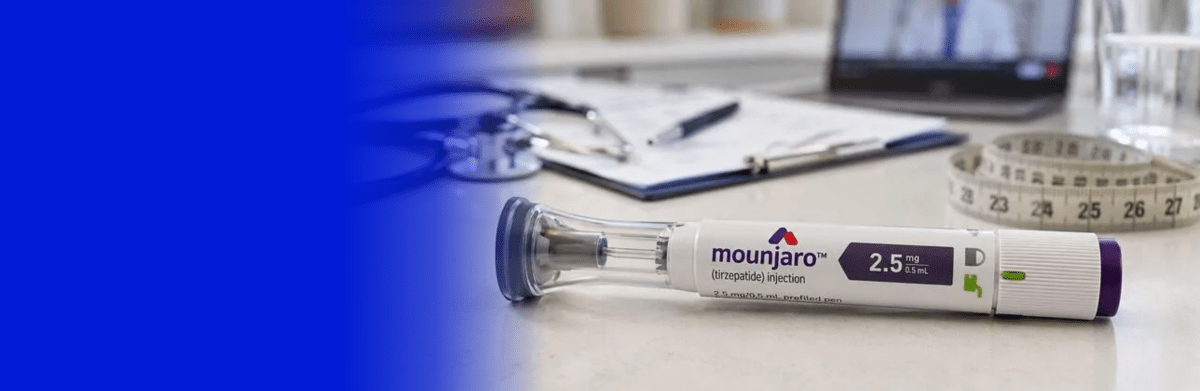
Mounjaro is another weekly weight loss injection that works in a similar way to Wegovy, but uses a different active ingredient: tirzepatide. Both medications help suppress appetite and promote weight loss, but Mounjaro mimics two hormones - GLP-1 and gastric inhibitory peptide (GIP) - while Wegovy targets GLP-1 alone. Both require a prescription and work best alongside lifestyle changes including healthy eating and regular exercise.
In terms of safety, both Wegovy and Mounjaro are licensed in the UK for weight management by the MHRA. A clinical study comparing the two found no significant difference in gastrointestinal side effects between them.
You can explore both options on the Rightangled weight management page.
How Safe is Wegovy?
One of the strongest indicators of Wegovy's safety is its approval status. In the UK, the MHRA - as well as medicines regulators across the world - has approved Wegovy based on a substantial body of clinical evidence demonstrating that its benefits outweigh its risks.
Regulatory bodies only grant approval after rigorously reviewing evidence of a medicine's efficacy and safety profile. That said, understanding both the potential benefits and side effects is important before starting treatment. While most people experience only mild side effects, there is a small chance of more serious reactions, though these are uncommon.
At Rightangled, we're committed to helping you understand everything relevant to your treatment so you can make a confident, informed choice. A consultation with one of our clinicians will help establish whether Wegovy is appropriate for you.
Health Benefits of Wegovy
Cardiovascular Health
One of the more notable findings from recent research is that Wegovy offers meaningful benefits for heart health. A large-scale trial - the SELECT study - found that people taking semaglutide 2.4mg (the highest maintenance dose) experienced significantly fewer major cardiovascular events, including heart attacks and strokes.
These heart-related benefits appear to go beyond what weight loss alone would explain. Semaglutide seems to have a direct protective effect on the heart and blood vessels, helping to lower blood pressure and improve cholesterol levels.
Other Health Improvements
When people lose weight with Wegovy, many associated health conditions also tend to improve. Sleep apnoea - where breathing repeatedly stops during sleep - often becomes less severe. Joint pain and physical mobility can improve as reduced body weight lessens the load on joints.
Blood sugar regulation frequently improves too, even in people without diabetes, which can help reduce the risk of developing type 2 diabetes. Some studies also suggest that semaglutide may have a beneficial role in managing non-alcoholic fatty liver disease.
How Effective is Wegovy for Weight Loss?
Clinical trial data paints an encouraging picture. The STEP programme - a major series of randomised trials - showed that people taking semaglutide lost an average of around 15% of their body weight over 68 weeks. This was reinforced by a two-year follow-up study showing the same average weight loss sustained over a longer period.
To put this into perspective, someone starting at 100kg could typically expect to lose approximately 15kg. More than three-quarters of participants (77%) lost at least 5% of their starting weight, and nearly half (44%) lost 10% or more.
It's worth noting that stopping Wegovy can lead to weight regain. One study found that 12% of people regained weight within a year of stopping , while another showed an average regain of 7% over 20 weeks.
This underlines an important point: Wegovy is an effective tool for weight loss, but sustaining results after stopping treatment requires lasting changes to diet and physical activity. Research into the best strategies for long-term weight maintenance after stopping the medication is ongoing.
Side Effects and Safety Concerns
Common Side Effects
Most people experience some side effects when starting Wegovy, or when their dose is increased. The most frequently reported are nausea, diarrhoea, and constipation.
Among people taking the maximum dose of 2.4mg, 44% reported nausea, 30% experienced diarrhoea, 25% had vomiting, and 24% reported constipation. In the majority of cases, these symptoms ease within a few weeks as the body adapts to the medication.
Some people also notice mild redness or soreness at the injection site, which typically resolves quickly. Rotating injection sites with each dose helps minimise this. It is important to follow guidance on how to use the Wegovy pen correctly.
Serious Side Effects to Be Aware Of
Whilst most side effects are manageable, there are some less common but more serious reactions to be aware of. Inflammation of the pancreas (pancreatitis) may affect up to 0.2% of people taking Wegovy. Symptoms include persistent, severe stomach pain, vomiting, and fever - if these occur, seek emergency medical attention.
A rare but serious allergic reaction (anaphylaxis) may occur in up to 1 in 1,000 people. Although unlikely, it's important to know the warning signs: difficulty breathing, swelling of the face, lips, tongue or throat, wheezing, a racing heartbeat, pale or cold skin, and dizziness or weakness. If any of these occur, call 999 immediately.
Long-term Safety Questions
As Wegovy is a relatively recent addition to weight management treatments, research into its long-term effects is continuing. Safety studies in animals showed that semaglutide could cause thyroid tumours, leading to a precautionary warning about a rare form of thyroid cancer called medullary thyroid carcinoma. As a result, Wegovy is not suitable for people with a personal or family history of this type of cancer, or those with a condition called Multiple Endocrine Neoplasia syndrome type 2.
Safety Considerations for Specific Groups
Wegovy must not be used during pregnancy, as animal studies have indicated a risk of birth defects. If you are planning to conceive, it is recommended to stop Wegovy at least two months before trying, as the medication can remain in the body for some time.
Taking Wegovy while breastfeeding or chestfeeding is not advised. If you are of childbearing age, effective contraception should be used throughout treatment. Wegovy does not interfere with the effectiveness of the contraceptive pill.
Wegovy is not associated with an increased risk of depression or suicidal ideation in most people. However, some research suggests there may be a small increase in such thoughts for individuals who already live with anxiety or depression. [15, 16] If this applies to you, it's important to discuss this with your clinician before starting treatment so that appropriate support can be put in place.
Getting Wegovy in the UK
Am I Eligible for Wegovy?
Wegovy is indicated for adults who are obese (BMI of 30 or above) or overweight (BMI of 27 or above) with at least one weight-related health condition - such as high blood pressure, type 2 diabetes, raised cholesterol, or cardiovascular disease.
You'll also need to be committed to making sustainable changes to your diet and activity levels. Wegovy works best as part of a comprehensive approach that includes a balanced diet - rich in lean protein and fibre - and regular physical activity. It is not a standalone solution.
Private Access via Rightangled
Rightangled offers private access to Wegovy, combining clinical expertise with a straightforward, convenient online service. This can mean faster access to treatment without the need to wait for an NHS referral, with the added benefit of personalised care and ongoing clinical check-ins from home.
Our team of experienced clinicians will assess your suitability, guide you through treatment, and ensure your care is tailored to you. You can find out more and check your eligibility on our weight management page, or go directly to our Wegovy product page.
Final Thoughts: Is Wegovy Right for You?
Whether Wegovy is the right choice depends on a range of individual factors, including your health history, current medications, and your weight loss goals. For many people who are significantly overweight, the clinical benefits can meaningfully outweigh the risks.
If you're considering Wegovy, we encourage you to have an open, thorough conversation with a qualified clinician - either through your GP or via Rightangled's online consultation service. A prescriber can help you weigh the evidence, assess your suitability, and support you throughout your treatment journey.
References
-
Medicines.org.uk. Wegovy 0.25 mg, FlexTouch solution for injection in pre-filled pen – Summary of Product Characteristics (SmPC). Available from: https://www.medicines.org.uk/emc/product/13799/smpc
-
Blundell J, et al. Effects of once-weekly semaglutide on appetite, energy intake, control of eating, food preference and body weight in subjects with obesity. Diabetes Obes Metab. 2017;19(9):1242–51.
-
Rodriguez PJ, et al. Semaglutide vs Tirzepatide for weight loss in adults with overweight or obesity. JAMA Intern Med. 2024;184(9).
-
Lincoff AM, et al. Semaglutide and cardiovascular outcomes in obesity without diabetes. N Engl J Med. 2023;389(24).
-
Le R, et al. The impact of glucagon-like peptide 1 receptor agonists on obstructive sleep apnoea: a scoping review. Pharmacy (Basel). 2024;12(1).
-
Bliddal H, et al. Once-weekly semaglutide in persons with obesity and knee osteoarthritis. N Engl J Med. 2024;391(17):1573–83.
-
Perreault L, et al. Changes in glucose metabolism and glycemic status with once-weekly subcutaneous semaglutide 2.4 mg. Diabetes Care. 2022;45(10).
-
Sanyal AJ, et al. Phase 3 trial of semaglutide in metabolic dysfunction–associated steatohepatitis. N Engl J Med. 2025;392(21).
-
Loomba R, et al. Semaglutide 2.4 mg once weekly in patients with non-alcoholic steatohepatitis-related cirrhosis. Lancet Gastroenterol Hepatol. 2023;8(6):511–22.
-
Wilding JPH, et al. Once-weekly semaglutide in adults with overweight or obesity. N Engl J Med. 2021;384(11):989–1002.
-
Garvey WT, et al. Two-year effects of semaglutide in adults with overweight or obesity: the STEP 5 trial. Nat Med. 2022;28(10):2083–91.
-
Wilding JPH. Weight regain and cardiometabolic effects after withdrawal of semaglutide: the STEP 1 trial extension. Diabetes Obes Metab. 2022;24(8):1553–64.
-
Rubino D, et al. Effect of continued weekly subcutaneous semaglutide vs placebo on weight loss maintenance in adults with overweight or obesity: the STEP 4 randomized clinical trial. JAMA. 2021;325(14):1414–25.
-
Wharton S, et al. Gastrointestinal tolerability of once-weekly semaglutide 2.4 mg in adults with overweight or obesity. Diabetes Obes Metab. 2024;24(1).
-
Wadden TA, et al. Psychiatric safety of semaglutide for weight management in people without known major psychopathology. JAMA Intern Med. 2024.
-
Schoretsanitis G, et al. Disproportionality analysis from World Health Organization data on semaglutide, liraglutide, and suicidality. JAMA Netw Open. 2024;7(8):e2423385.
-
PubMed: https://pubmed.ncbi.nlm.nih.gov/42225305/
This article is for informational purposes only and should not be regarded as medical advice, diagnosis, or treatment. Always speak to a qualified healthcare professional about any health concerns you have.


Share:
Is Online Prescription Safe in the UK?
Mounjaro Golden Dose: What It Is and How Clinicians Decide