


Excellent customer service
Excellent customer service from start to finish for registration.
I collected item in person from their London location, it was very easy to...





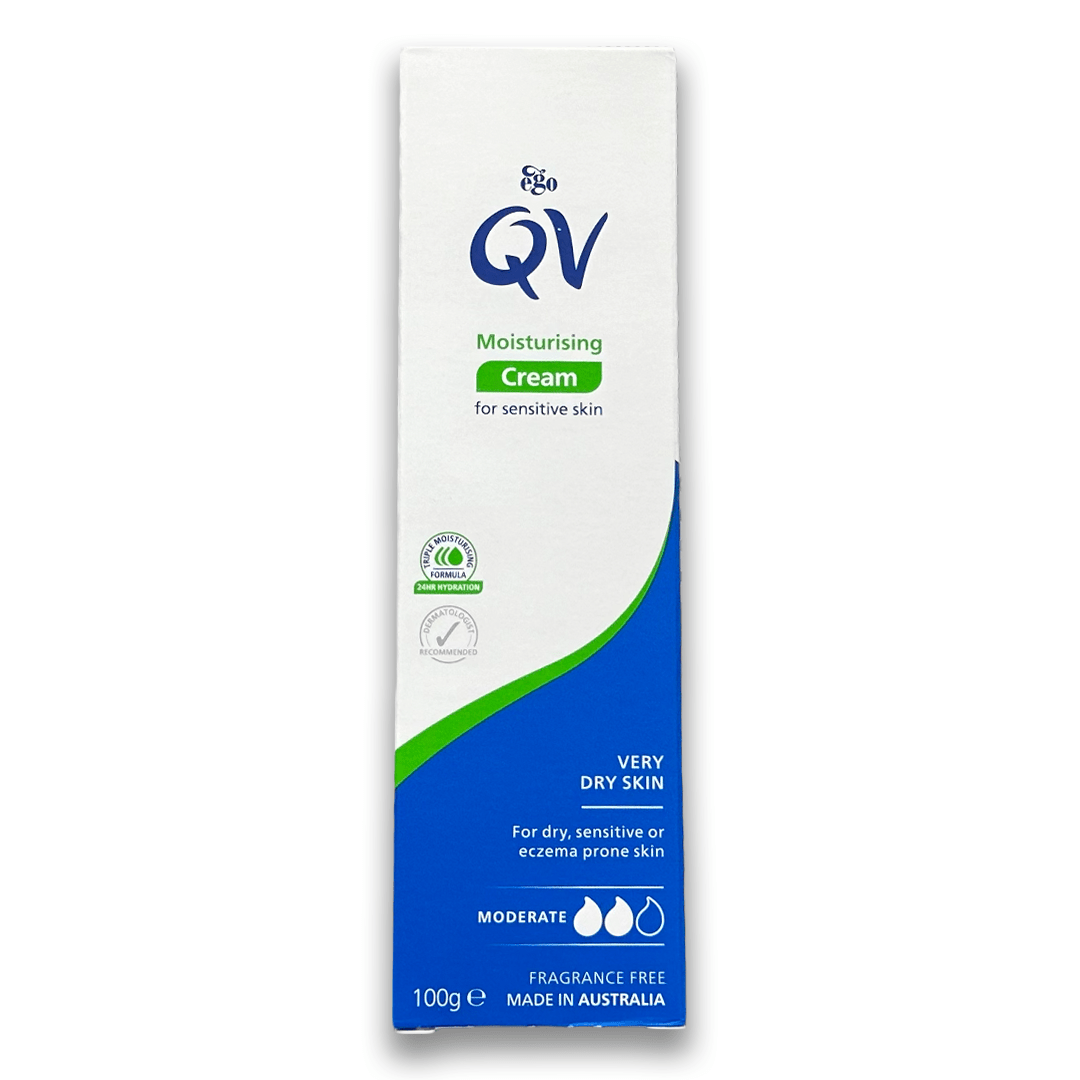
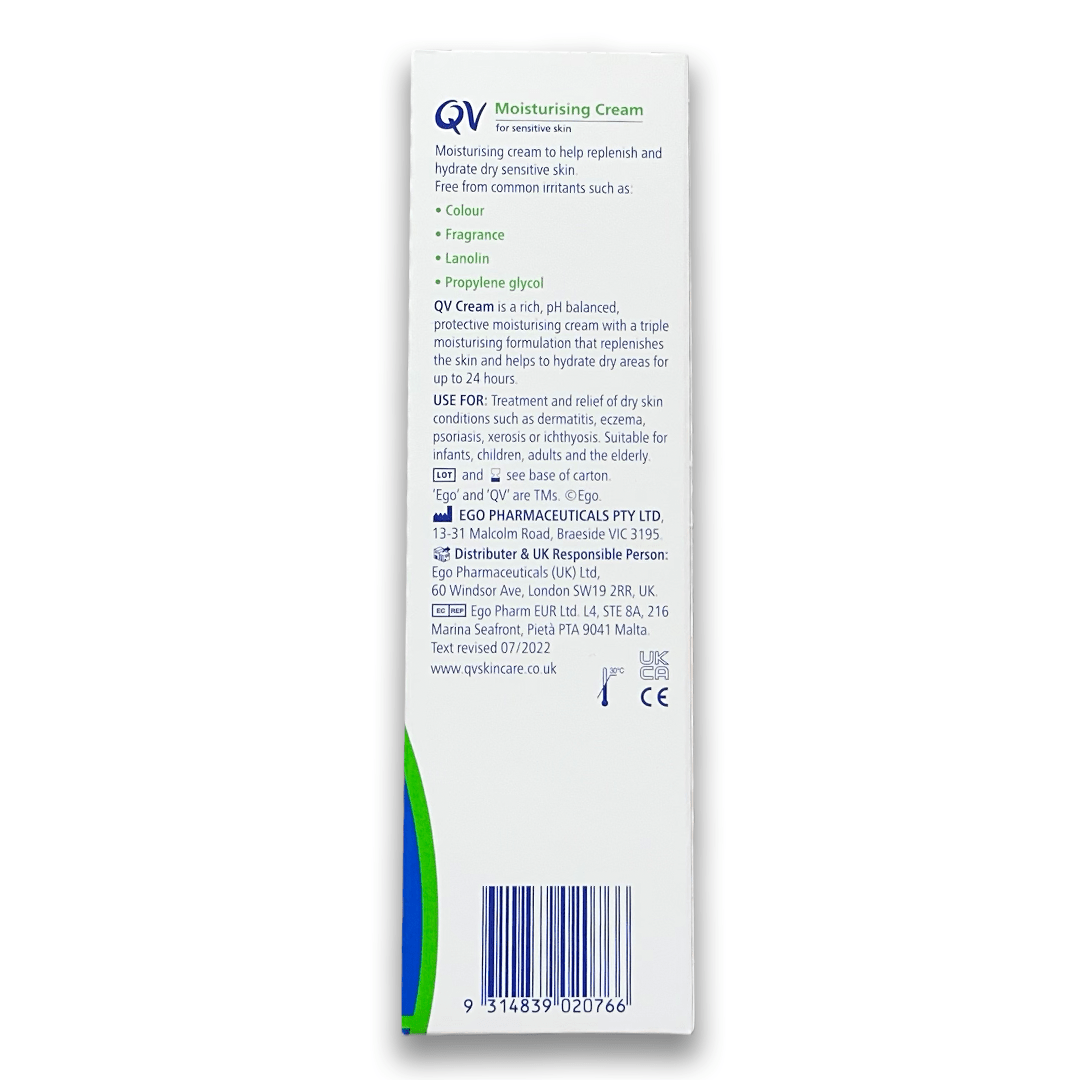
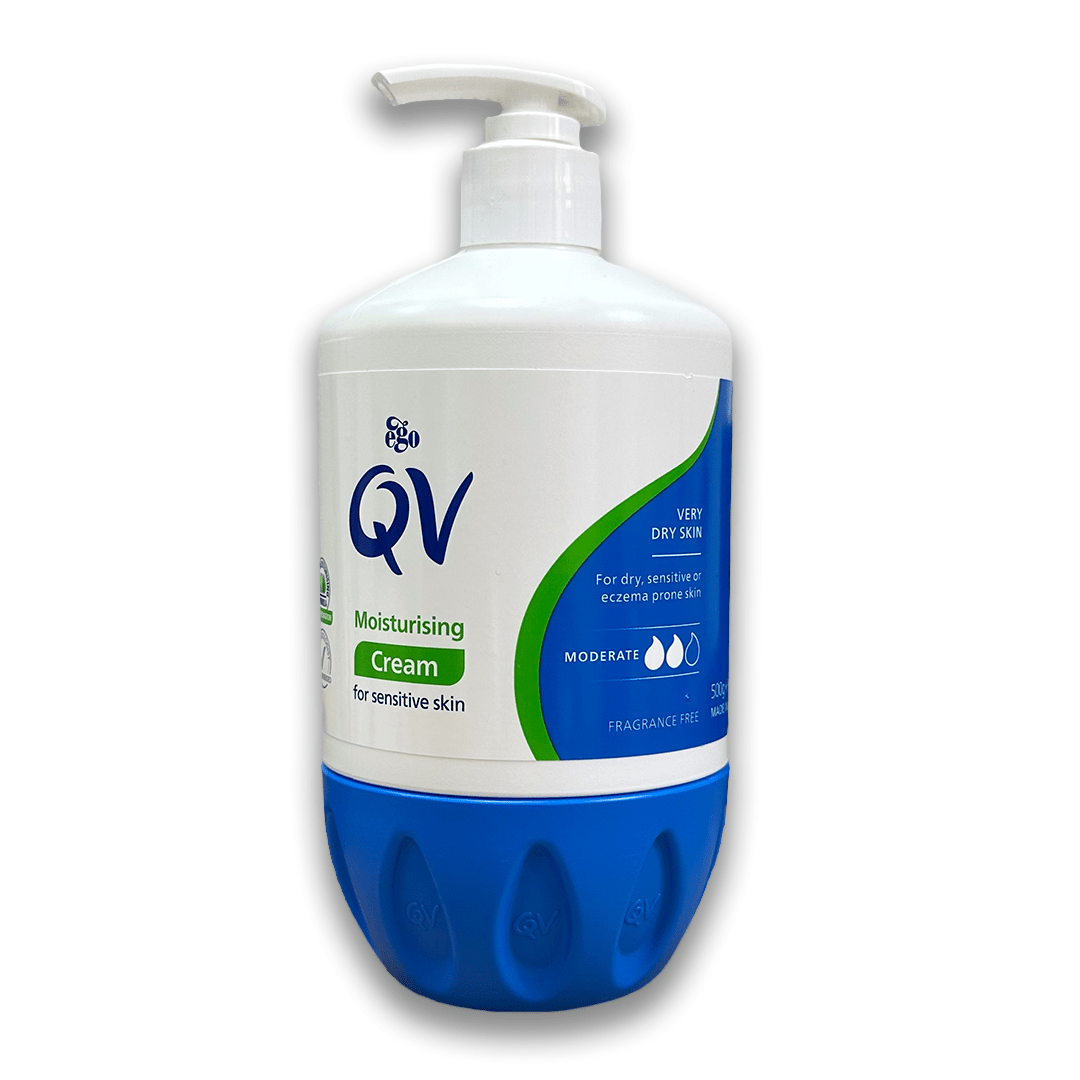
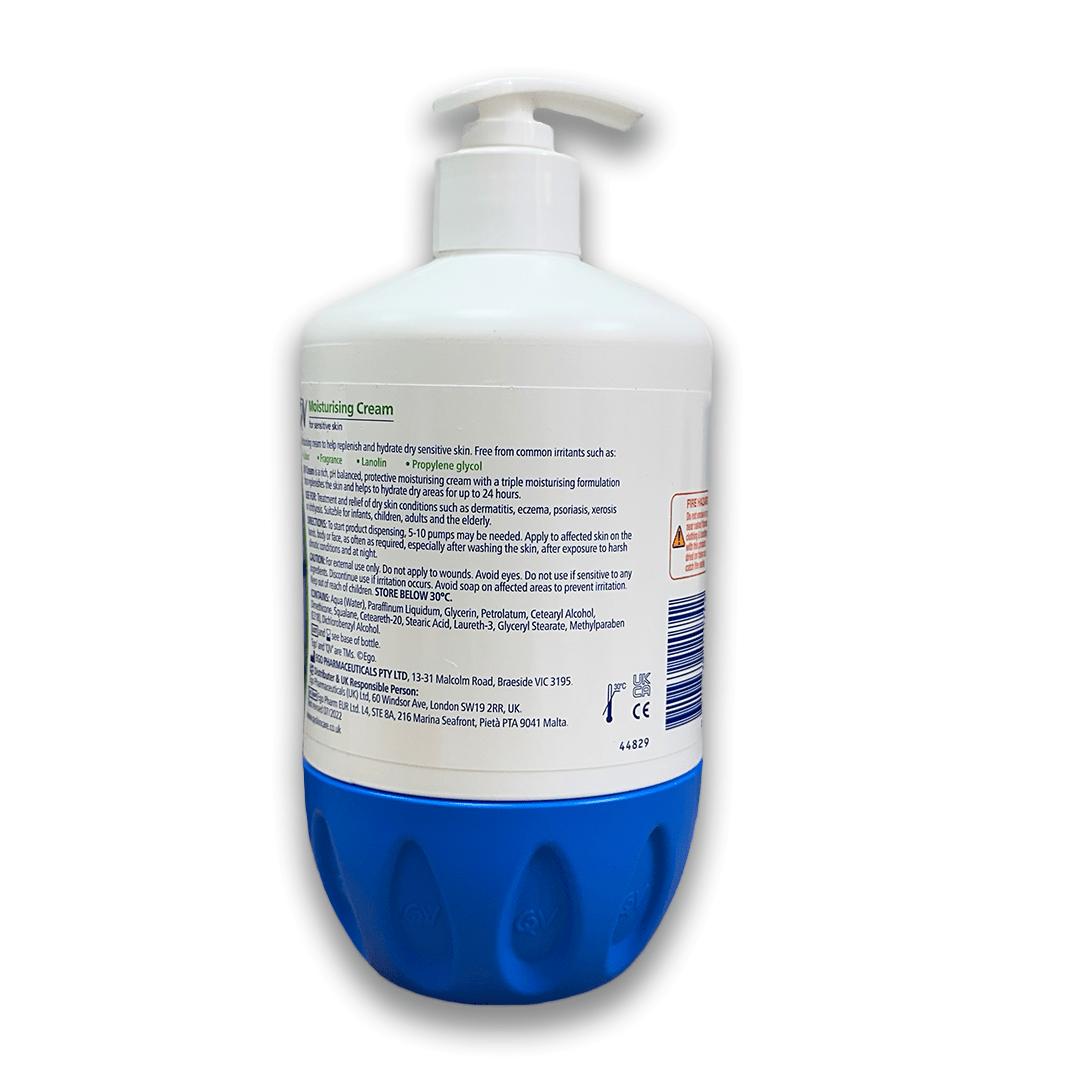
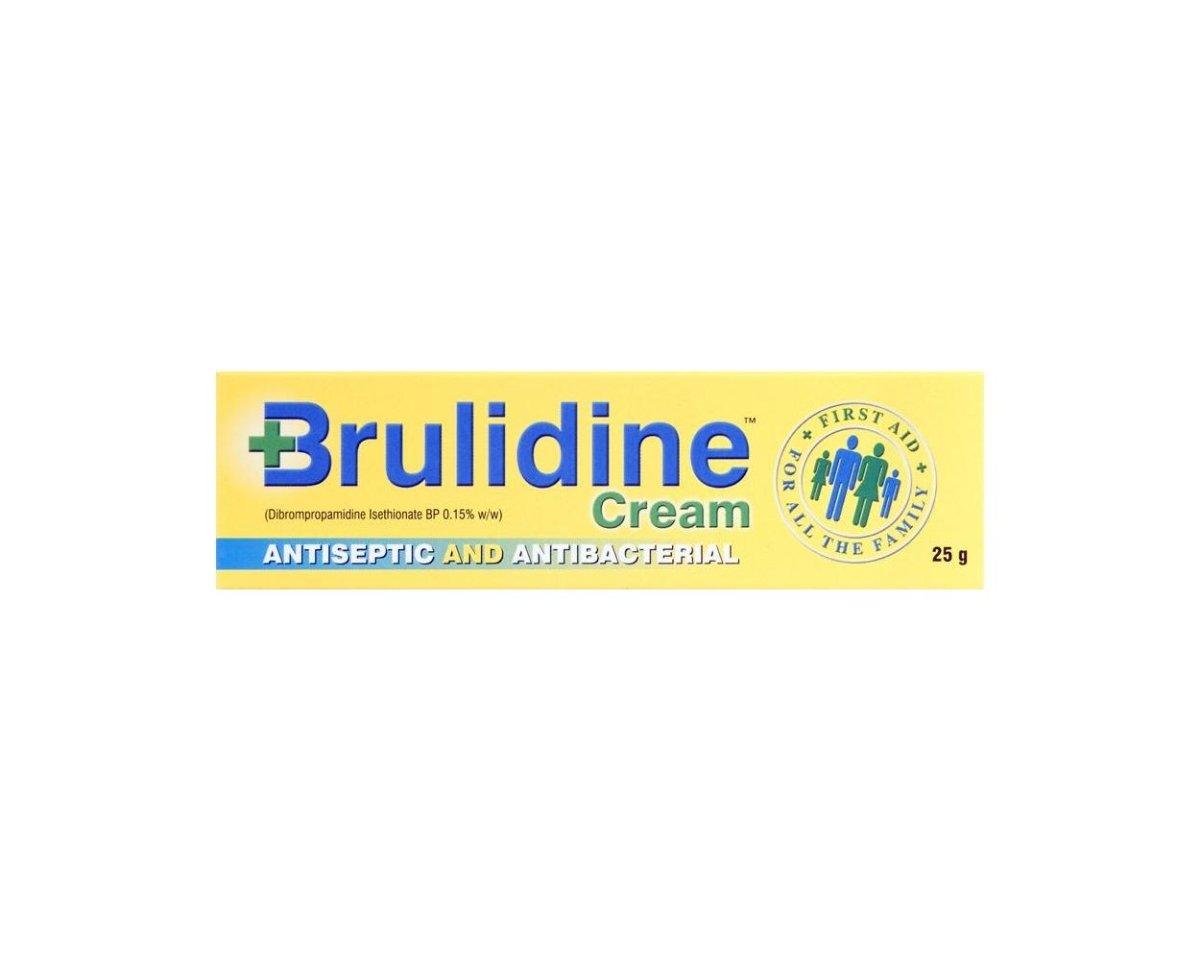
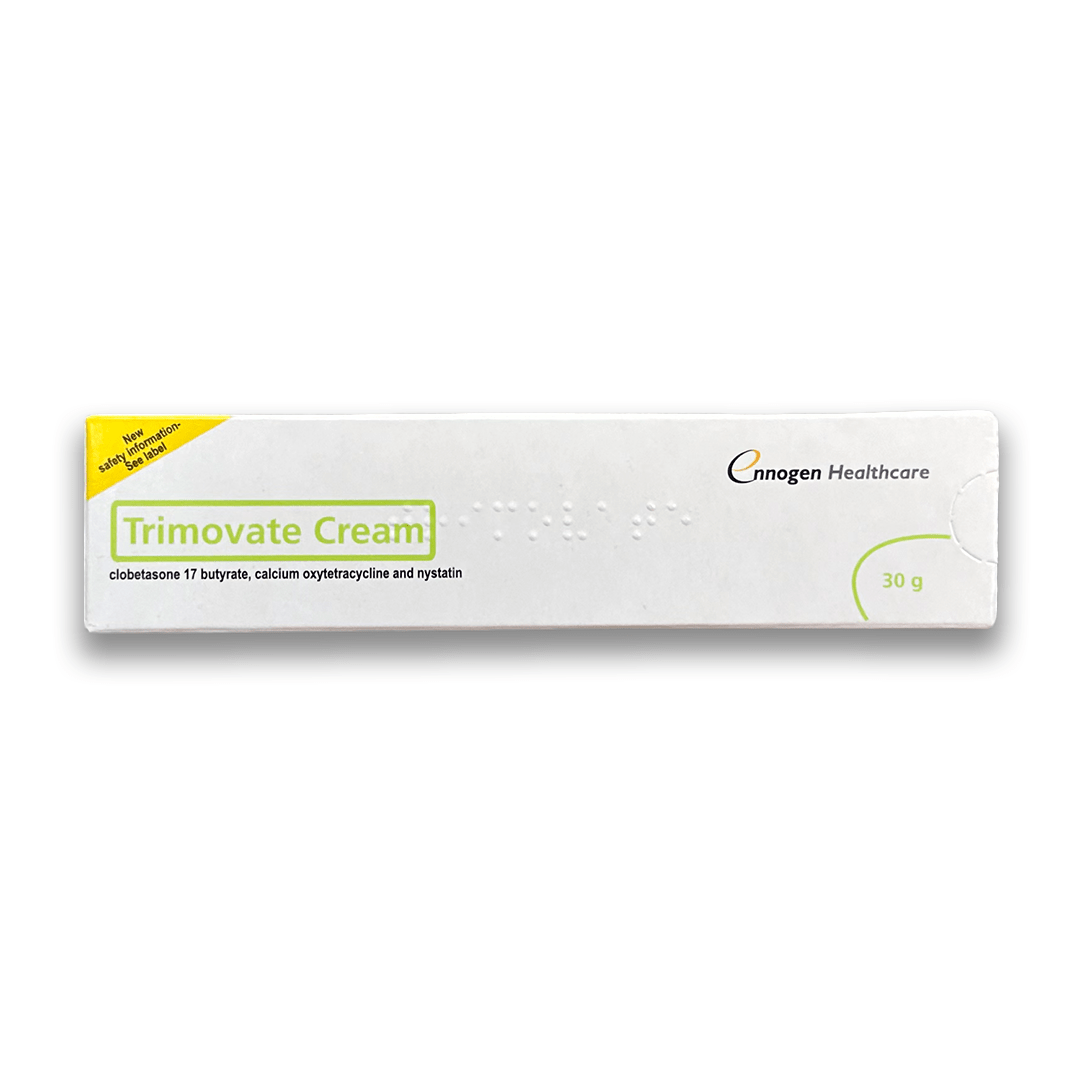
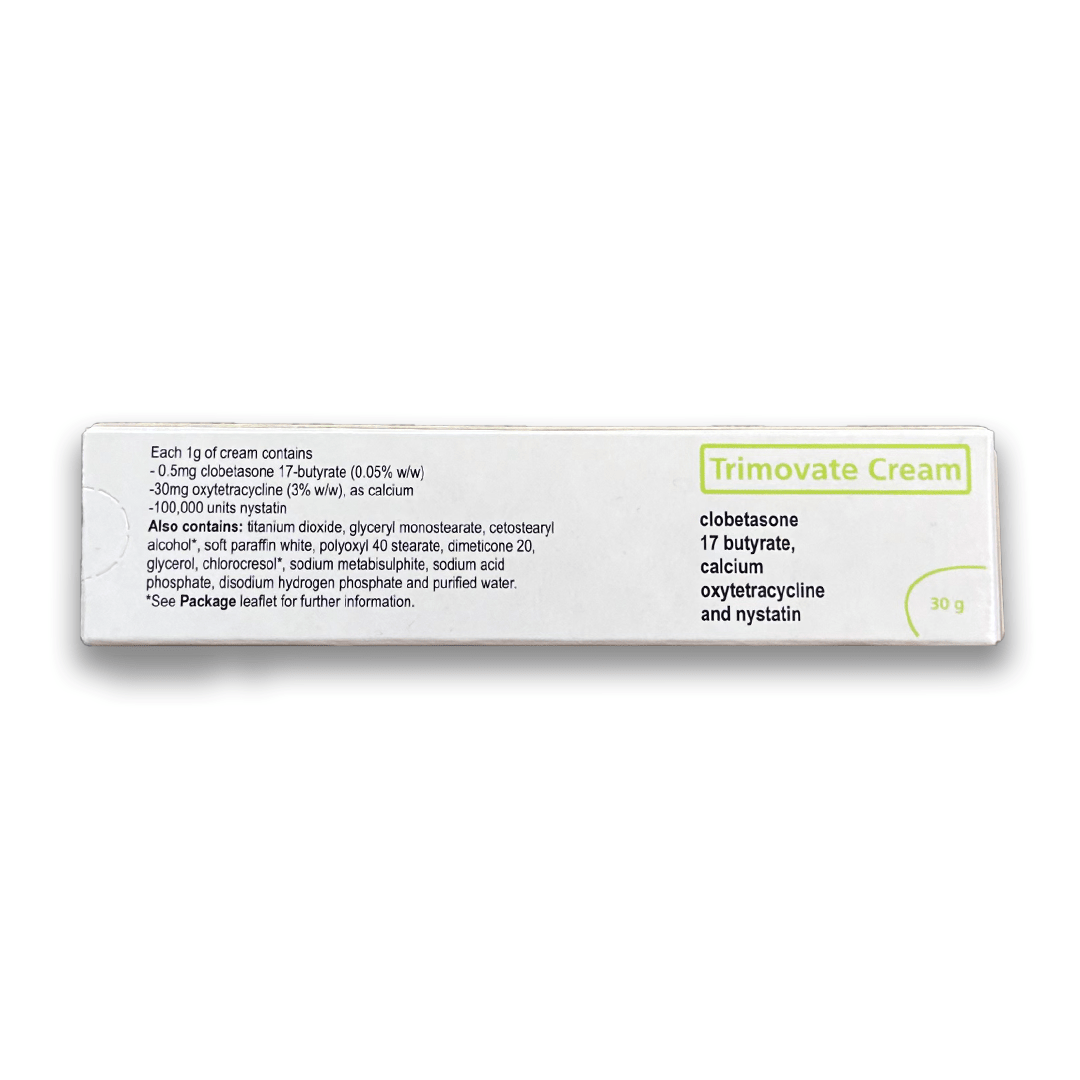
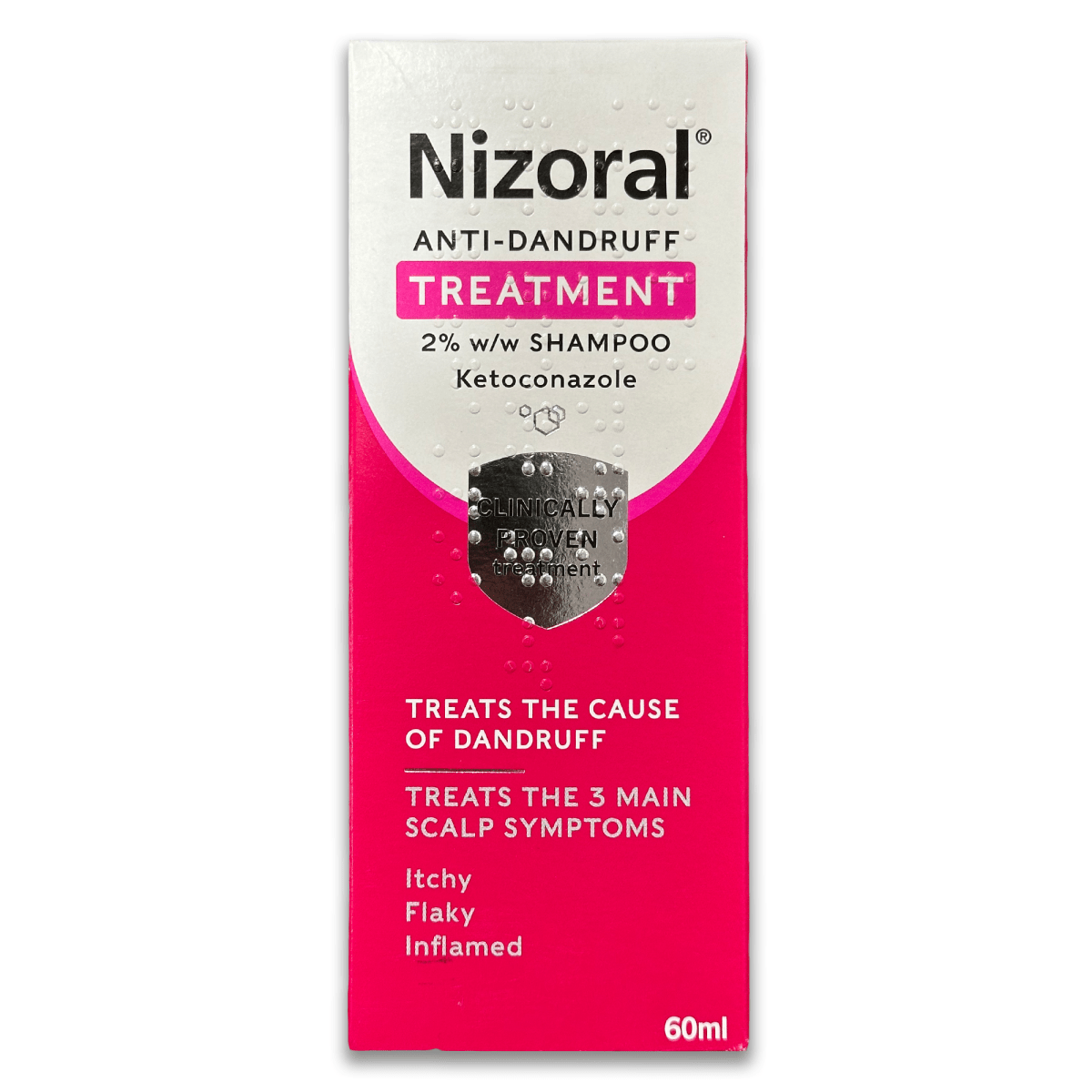
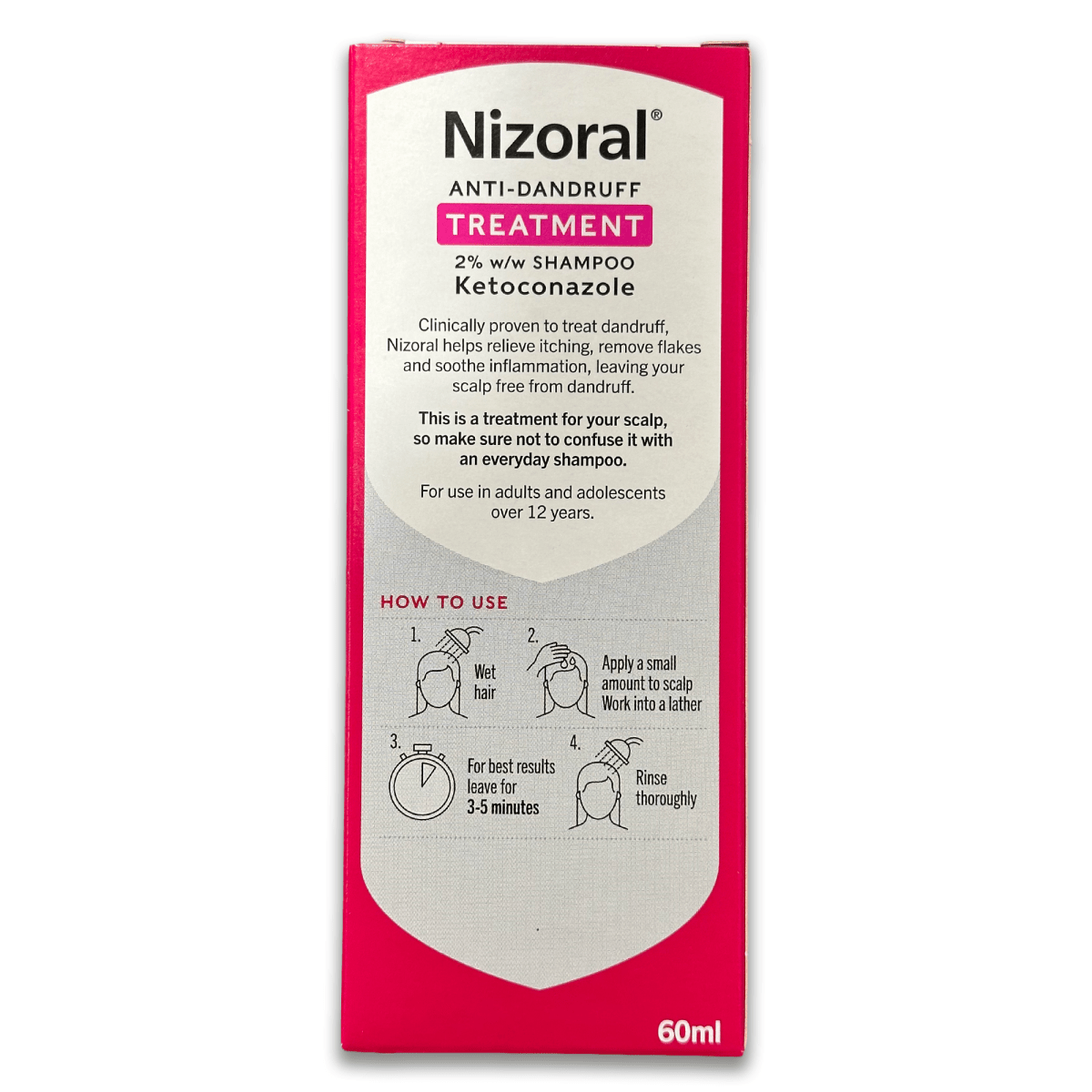
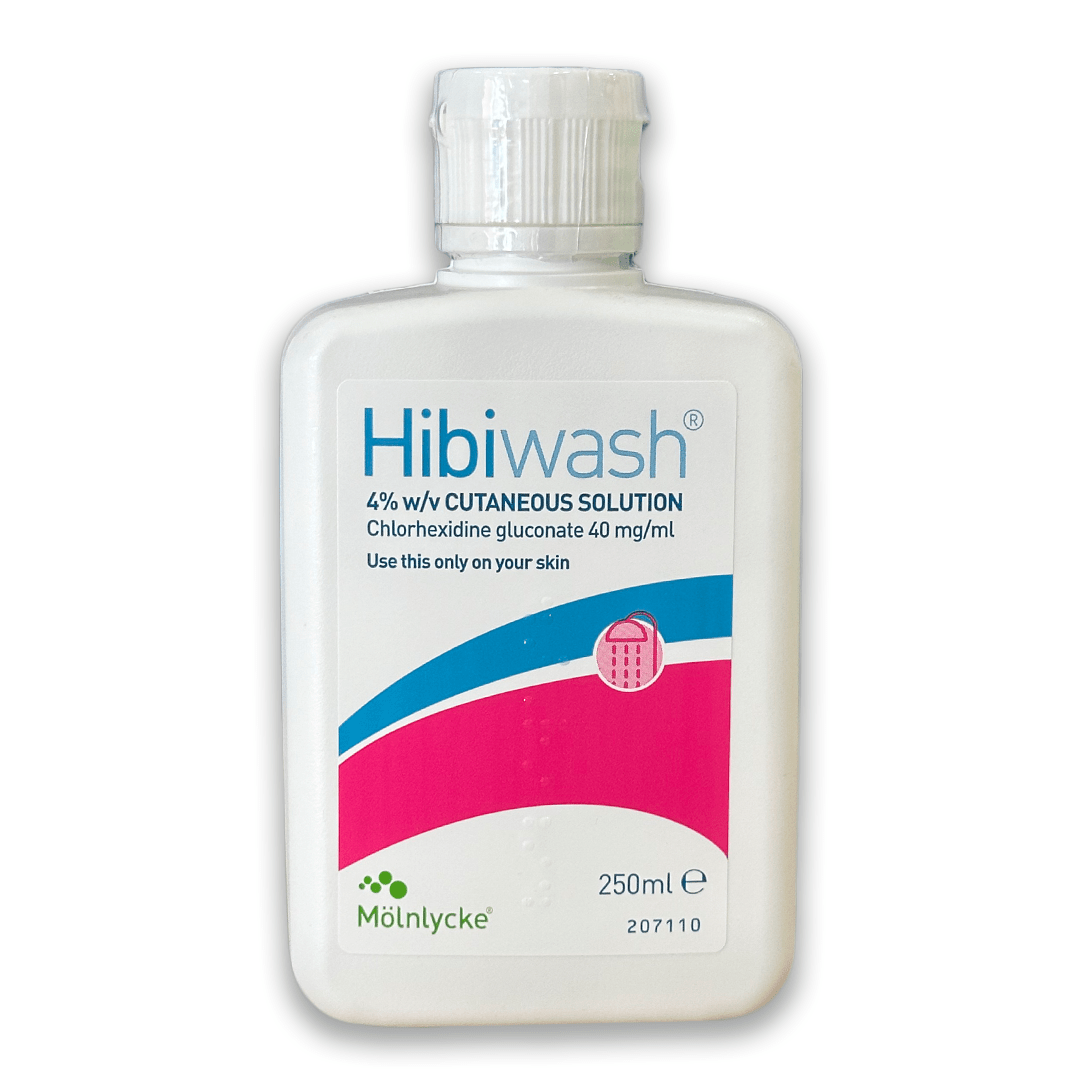
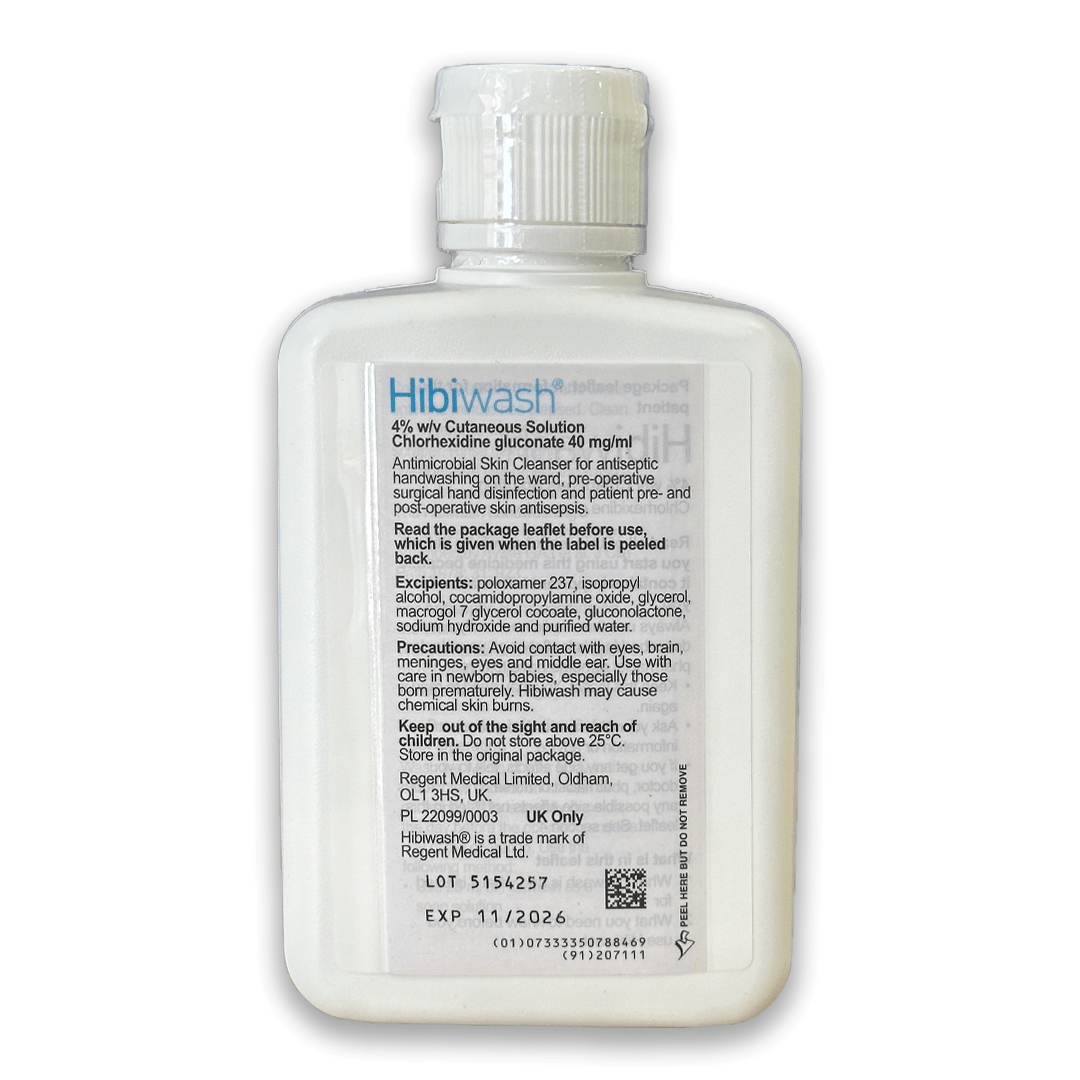
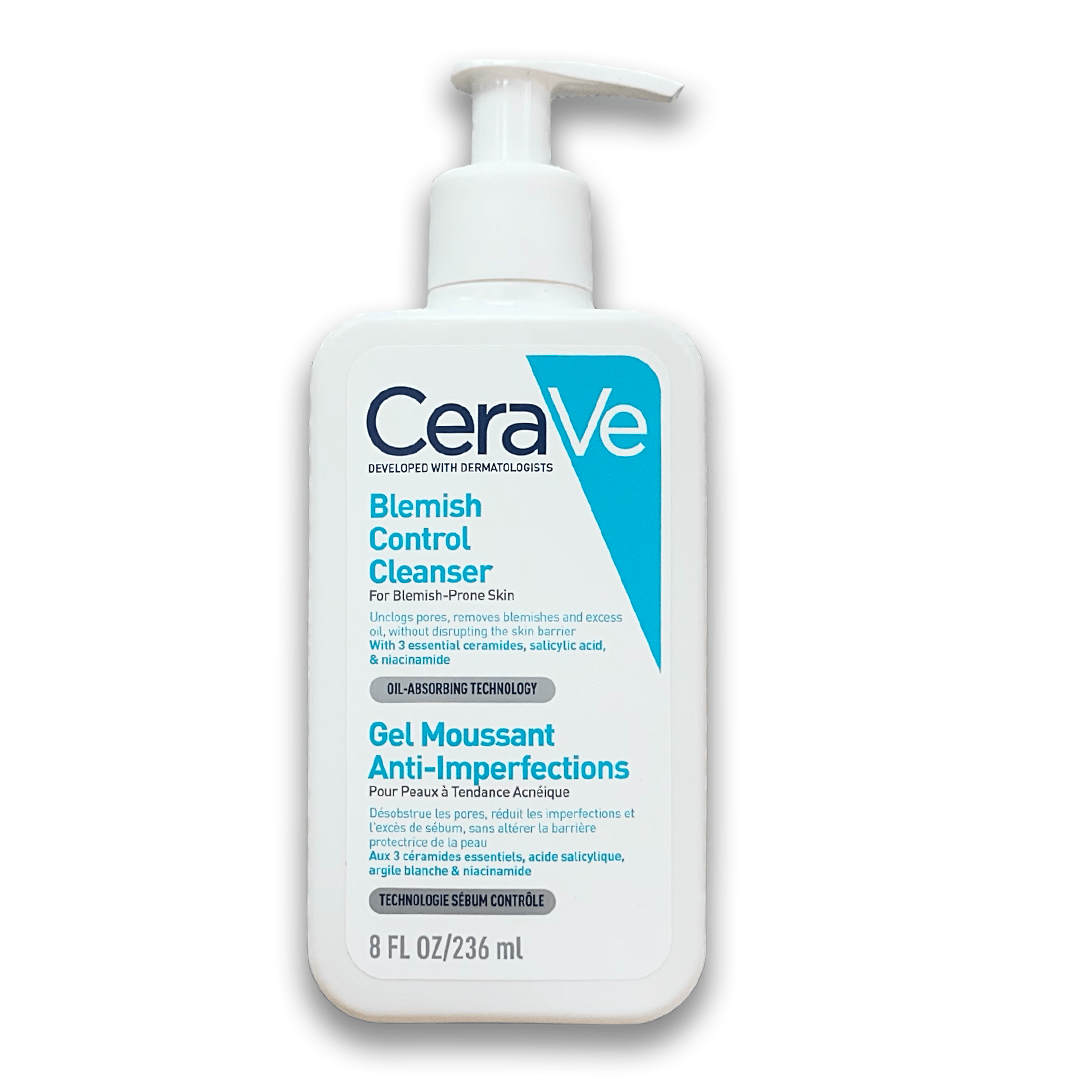
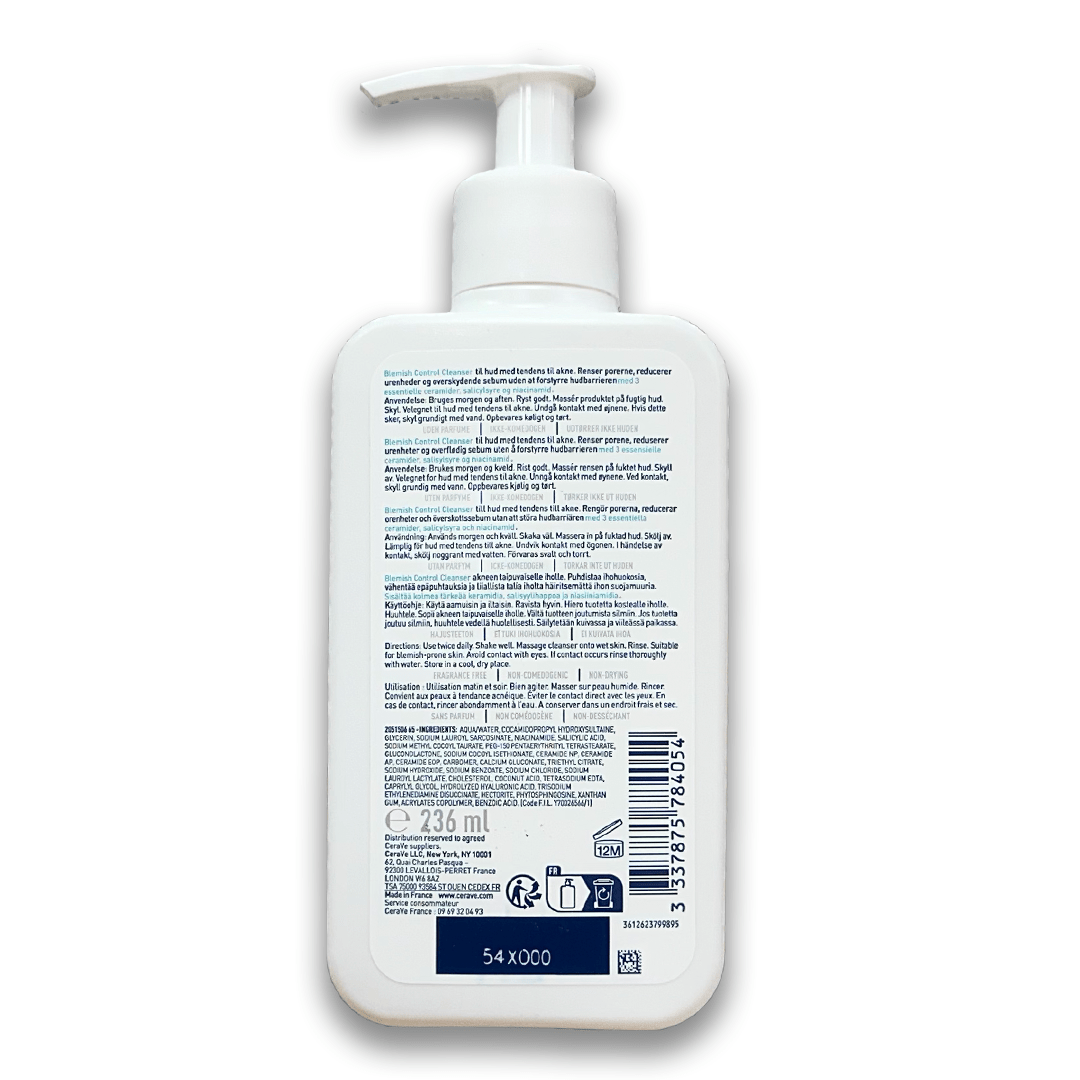
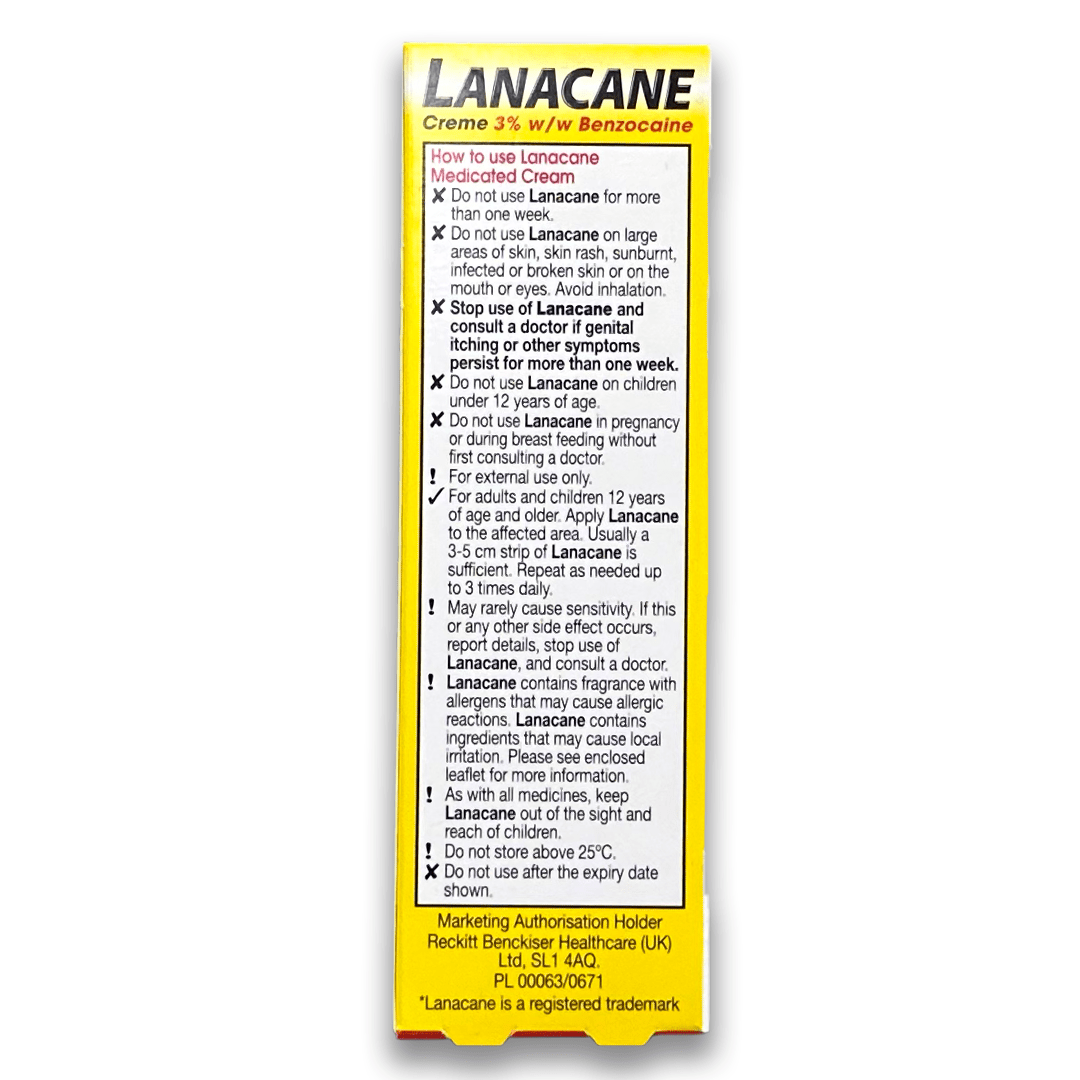
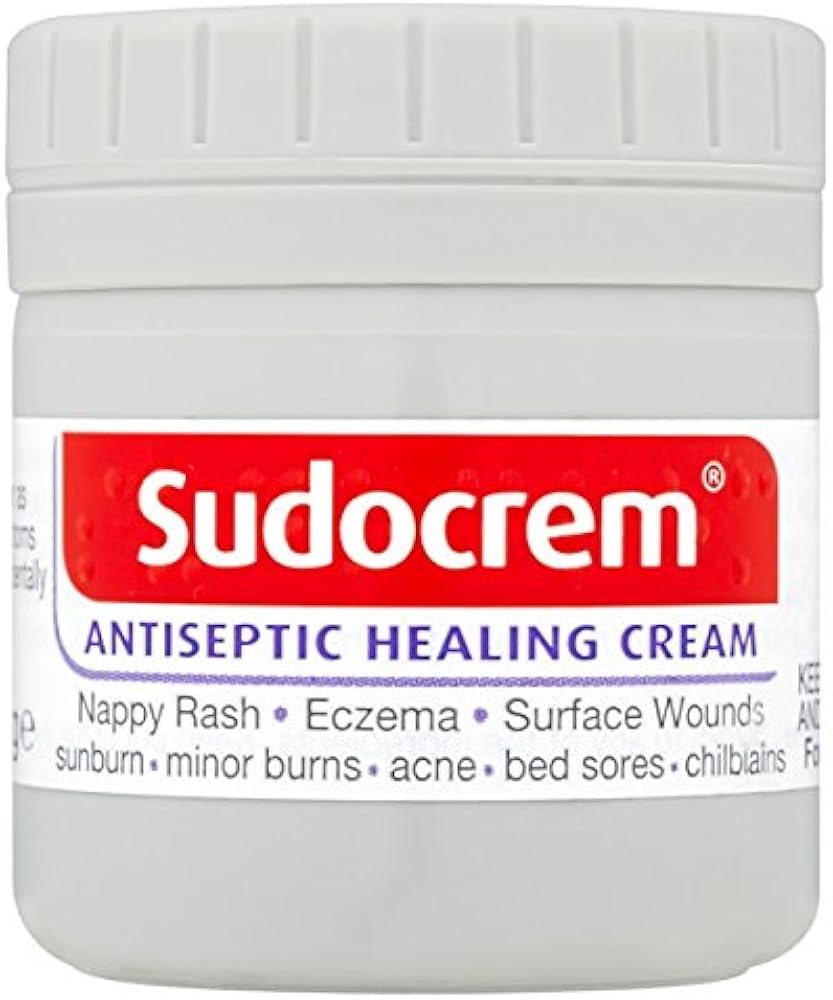
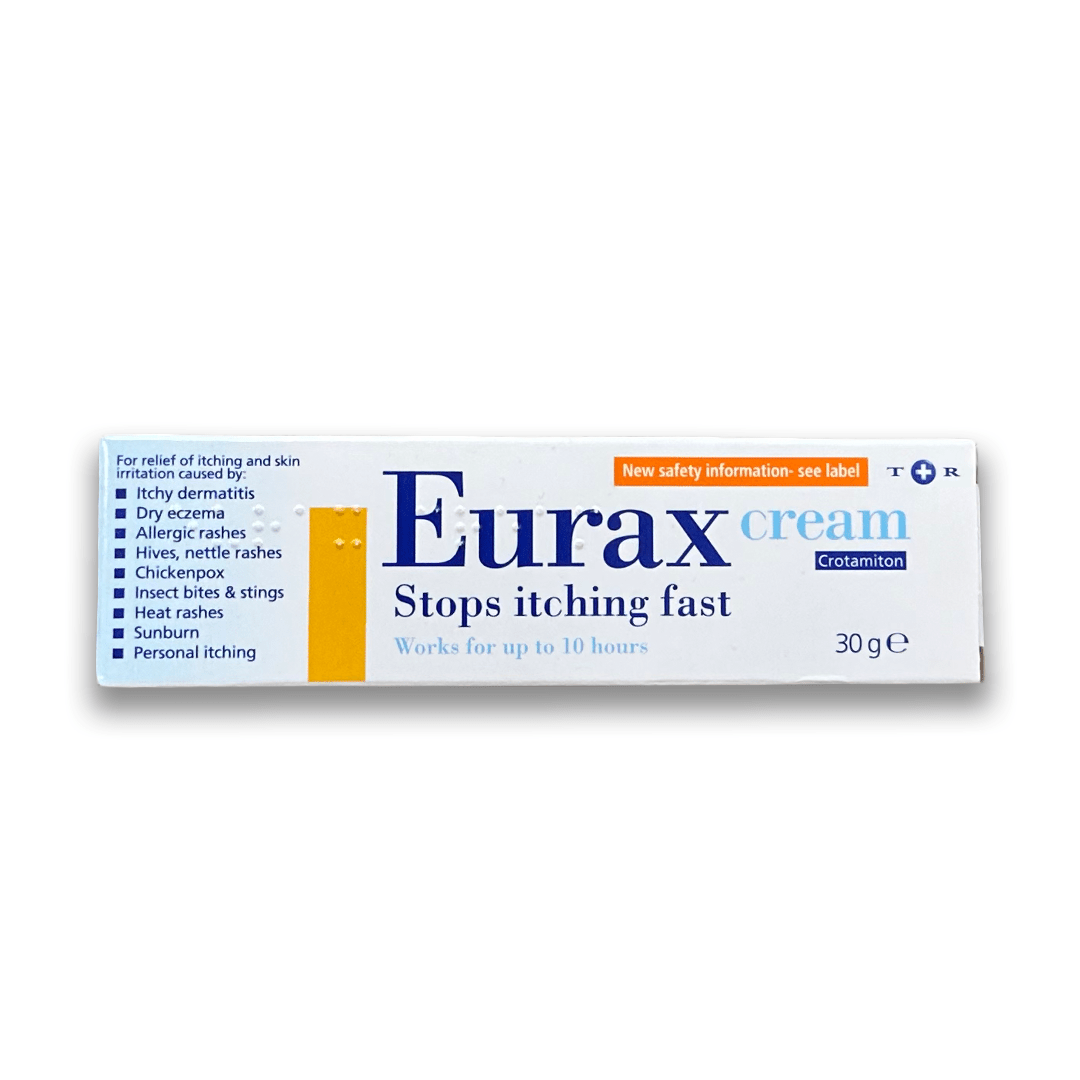
Dry skin can feel tight, rough, flaky or itchy, and it often gets worse in cold weather, with long hot showers, or after using harsh soaps. Irritated skin may also look red or sore. It is very common and can affect any age.
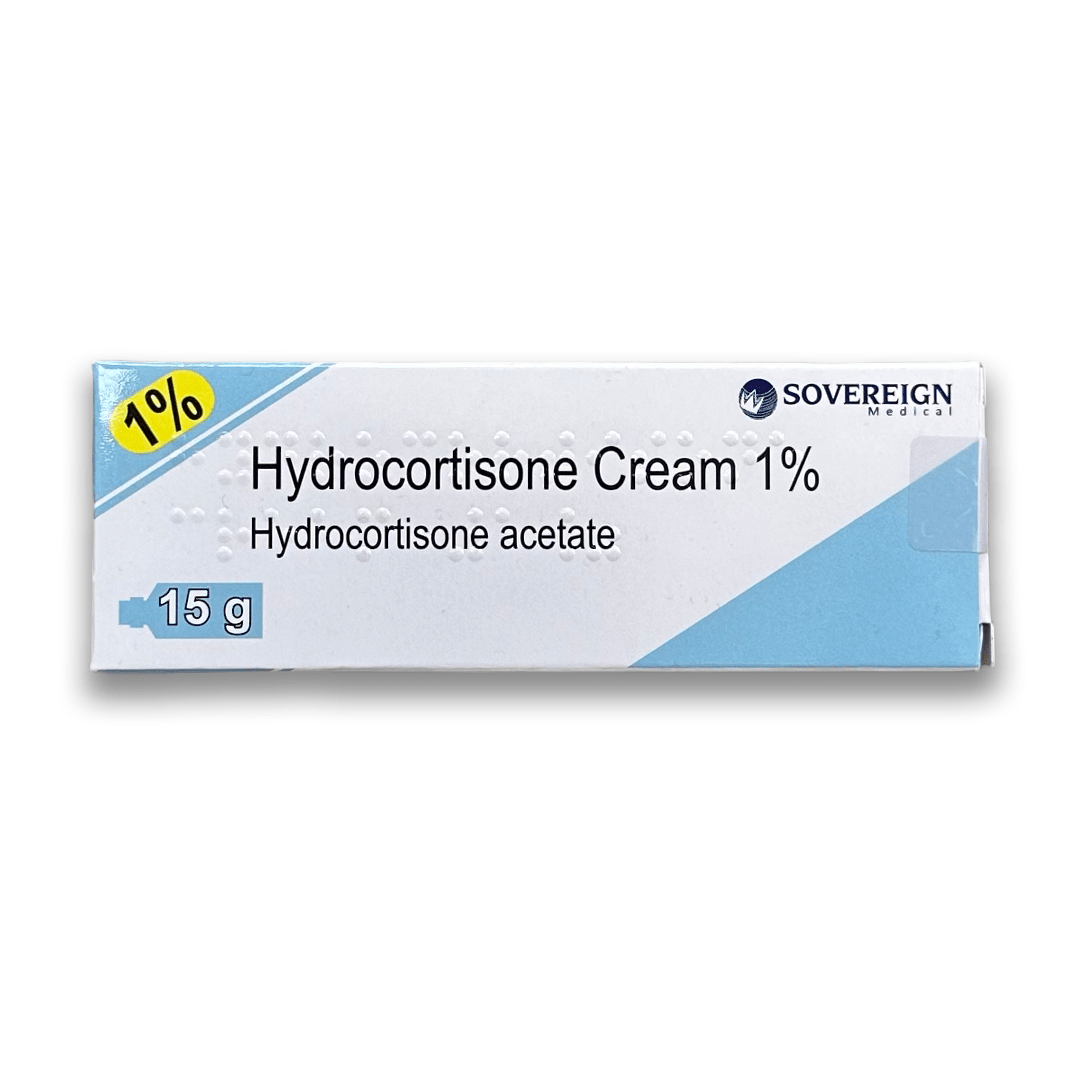
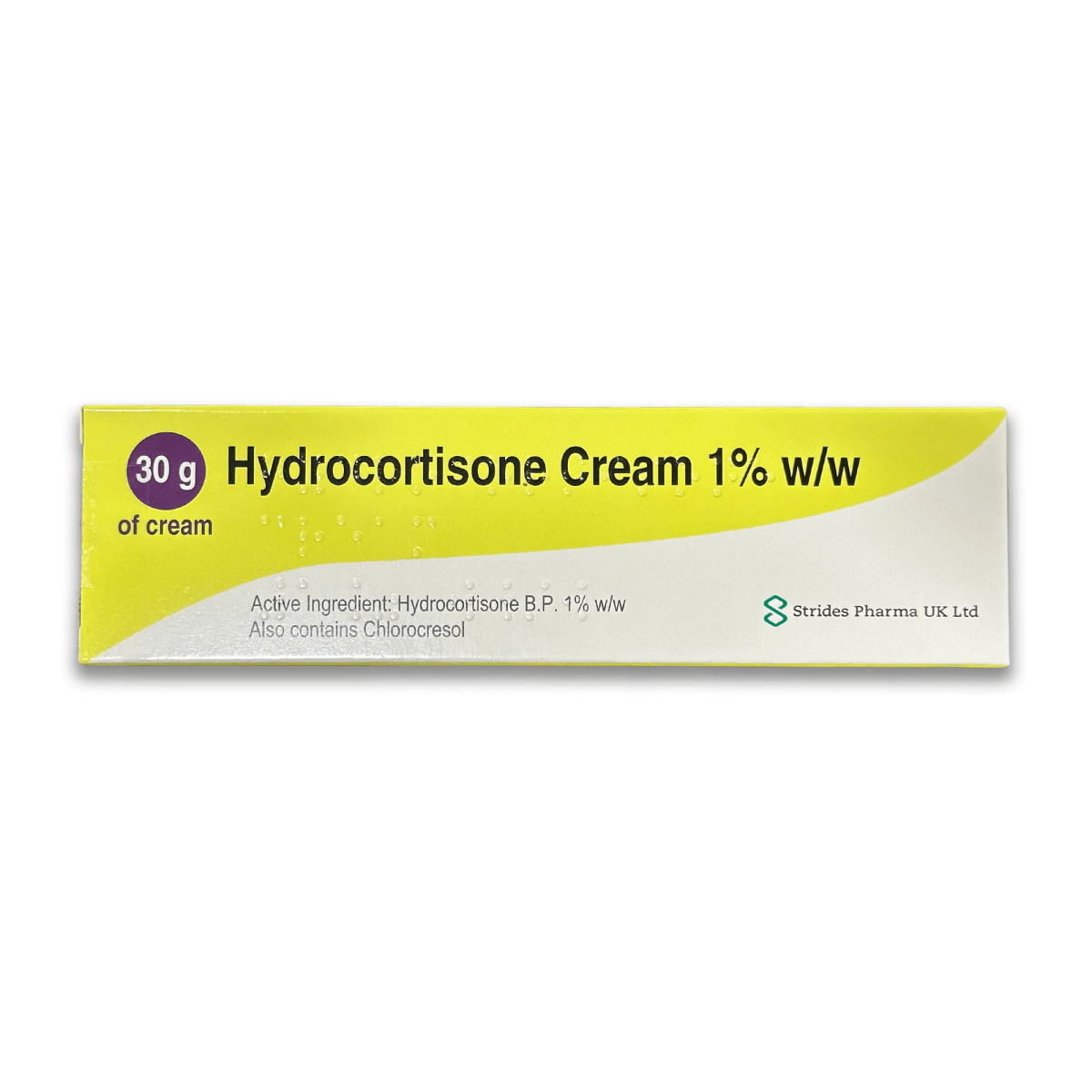
Regular use of an emollient (a moisturiser designed for dry skin) is the main way to keep skin comfortable. Many people find it helps to apply it after washing, use a gentle soap substitute and avoid very hot water. Our range covers moisturisers and creams for dry and irritated skin, and a clinician can help you choose when needed. Speak to a doctor or pharmacist if your skin is cracked, weeping or very painful, if it looks infected, or if it does not improve after a couple of weeks of care.
TAKES APPROXIMATELY 2 MINS TO COMPLETE.
Patient experiences
Verified reviews from patients across UK.

Excellent customer service from start to finish for registration.
I collected item in person from their London location, it was very easy to...
I really can't recommend Rightangled highly enough, they have everything spot on. Their price's are competitive and the added discounts on top are fantastic...
Never had a problem with this company. Always checking in to make sure my weight loss journey is on track. Pricing is competitive and postal spot on...
I have been with rightangled for over a year. Their customer service is amazing. They always go above & beyond. Nothing is too much trouble. They are so efficient on...
I have been with this company since August and I am so happy I moved companies. The service has been incredible. They have made it so easy and worry free I order and within...
I find right angled brilliant. No nonsense with consistently low prices on weight loss meds. I used to shop around before right angled but don’t feel the need to anymore as their prices are great...
2nd month with Rightangled and the reordering process is very quick and straightforward unlike other providers I have used in the past...
Using their services for more than a year and half. They are just great, any issues has been handled with kindness and professionalism. The order will arrive as expected in..

3 MIN ONLINE ASSESSMENT

CLINICIAN REVIEWS YOUR CASE

PRESCRIPTION + NEXT DAY DELIVERY
Everything you need to know, from causes to treatment options.
We are here to help!
For assistance, please contact our customer service at info@rightangled.com. We are available Monday to Friday from 8 am to 5 pm. For urgent issues, please do not use this email. Instead, call 111, or dial 999 in case of an emergency.