

For most of human history, inheritance was explained by a vague idea of blending — children were assumed to be roughly the average of their parents. It was an unsatisfying theory, and it survived until the 19th century largely because nothing better existed.
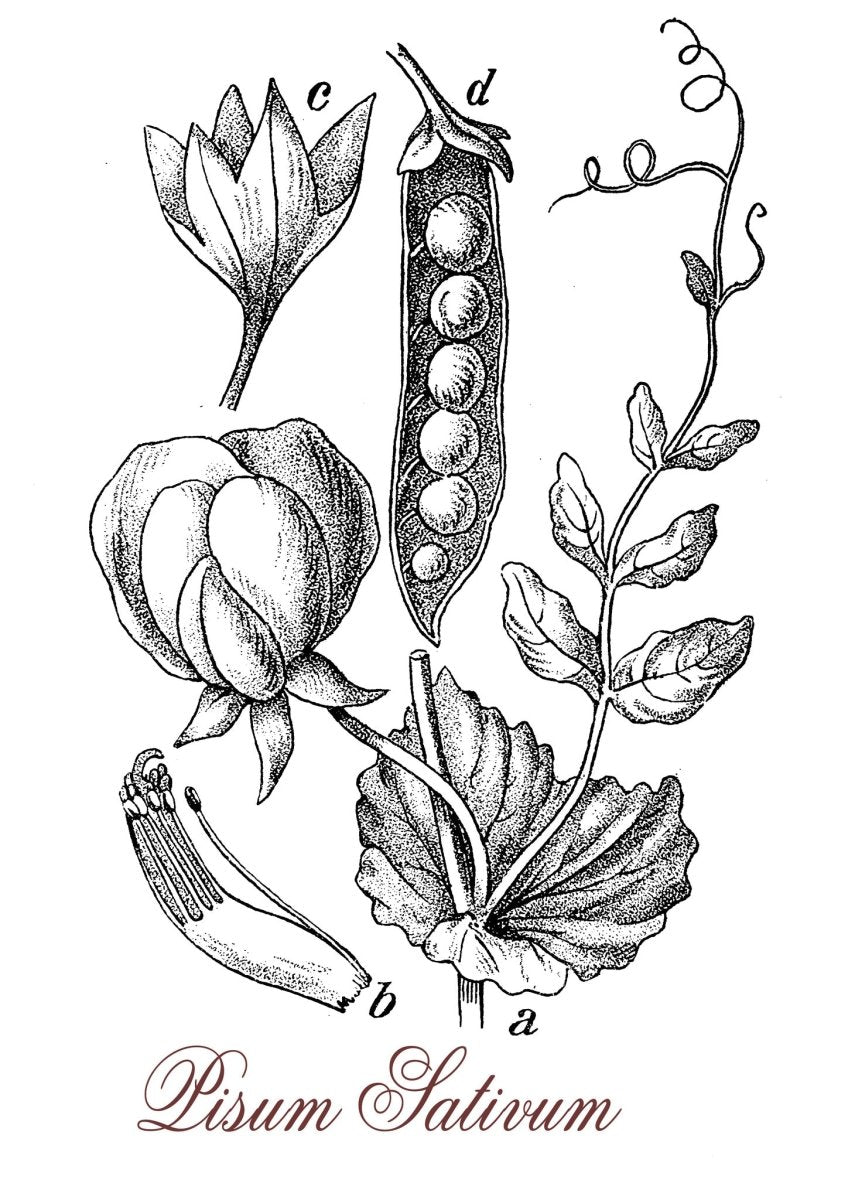
That changed in 1856, when an Augustinian monk named Gregor Mendel began systematically cataloguing the colours and shapes of pea plants in a monastery garden. From those observations came the rules of inheritance, and from them the modern science of genetics.
What genetics studies
Genetics is the study of how characteristics pass from one generation to the next, and it centres on a molecule called deoxyribonucleic acid — DNA.
DNA is built from sugar and phosphate units attached to nitrogen-containing bases, stacked into long strands that wind around each other in the familiar double helix. What makes it remarkable is that the sequence of those bases can be read like a language. Sections of that sequence — genes — carry the instructions for building proteins, from which cells construct nearly everything else.
In humans, DNA is organised into 23 pairs of chromosomes. Crucially, Mendel's insight was that inheritance is not an averaging of parental traits but the combination of two distinct sets of instructions, which is why traits can skip generations and reappear.
The Human Genome Project
Understanding what DNA did transformed 20th-century biology. But DNA is enormous — a single cell's worth, stretched end to end, measures around two metres. Reading, or sequencing, that code was slow, expensive and painstaking, and researchers could rarely examine more than a handful of genes at a time.
In 1990, an international collaboration began the Human Genome Project, with the goal of sequencing an entire human genome. It was compared at the time to the Apollo programme in ambition, cost several billion dollars, and took over a decade. The essentially complete sequence was published in 2003.
The pace since then has been extraordinary. Sequencing that once cost billions and took years now costs a few hundred pounds and takes days. The UK's 100,000 Genomes Project and the resulting NHS Genomic Medicine Service brought whole genome sequencing into routine care for certain rare diseases and cancers.
Where genetics stands today
Conditions that once baffled clinicians can now sometimes be traced to a single defective protein produced by a single gene. Others — the majority — involve many genes each contributing a small effect, interacting with environment and lifestyle.
A saliva sample is now enough for a laboratory to examine hundreds of genetic markers associated with health traits, with new associations published continually.
It is worth keeping the limits in view alongside the progress. Knowing a sequence is not the same as understanding what it does, and for most common conditions genetics shifts probability rather than determining outcomes. The most useful genetic information is usually the kind that prompts a practical change — a screening test, a conversation with your GP, a lifestyle adjustment.
Genetic testing with Rightangled
Rightangled's DNA tests examine genetic markers relating to health risk, nutrition and medication response, and our blood tests measure what is happening in your body right now. Results are reviewed by our clinical team, which includes GPhC-registered independent prescribers, with medical oversight from our doctor, Dr Abdullah.
Rightangled is a UK-registered online pharmacy — you can verify us with the General Pharmaceutical Council (registration number 9011933), see our LegitScript certification, and read independent patient reviews on Trustpilot.
Related reading: what are genes?
This article is for general information and does not replace personalised medical advice.



Share:
DNA, The Building Block of Everything
Unlocking Your Athletic Potential: The Role of Genetics in Muscle Performance