

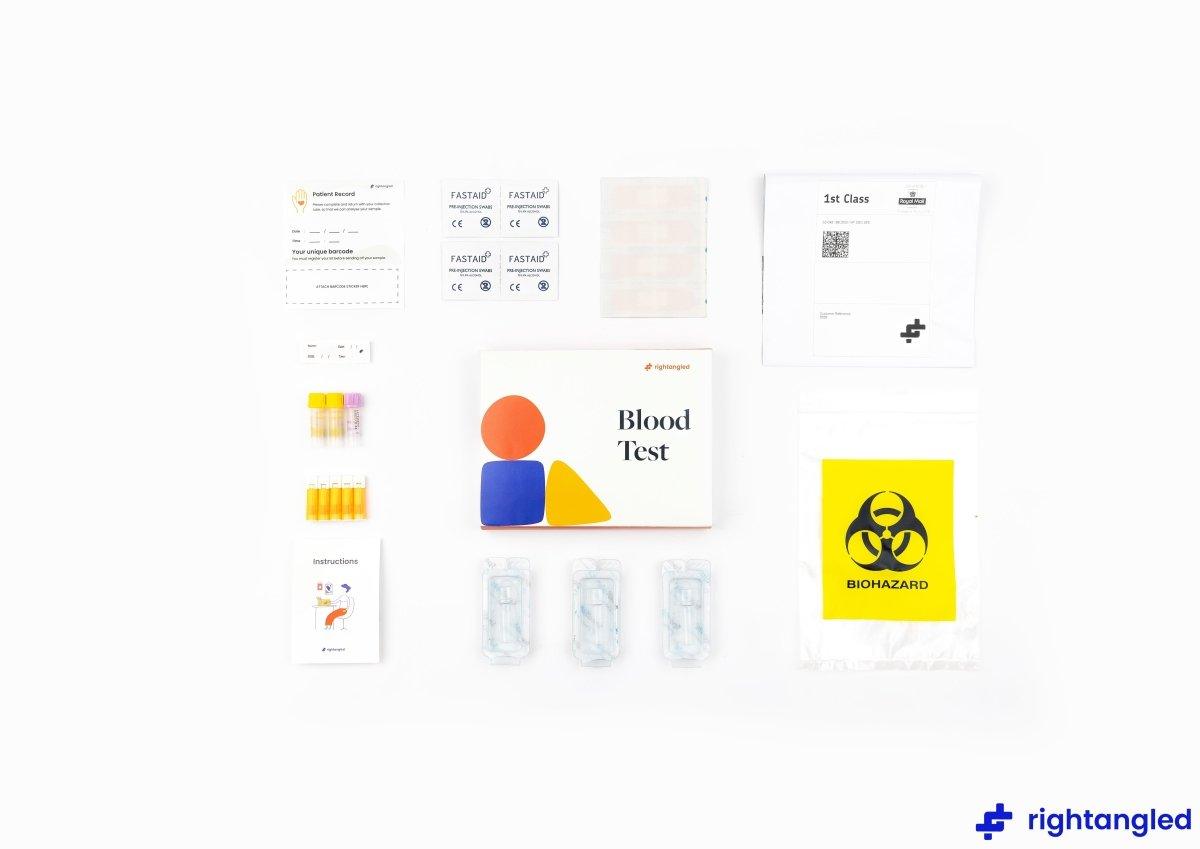
Blood tests are one of the most powerful tools in modern medicine. They help diagnose conditions, monitor long-term health, track how well a treatment is working, and screen for risk factors long before symptoms appear. Traditionally you would need a GP or hospital appointment to get one — but that is changing fast. At-home, do-it-yourself (DIY) blood testing has become one of the biggest trends in UK healthcare, and like any trend it comes with real benefits and genuine drawbacks.
What can a blood test tell you?
Depending on the panel, a blood test can assess your general health, help diagnose a specific condition, monitor an existing one, or screen for inherited risk. The most commonly requested blood tests in the UK include:
- Full Blood Count (FBC) — red cells, white cells and platelets; can flag anaemia, infection and clotting issues
- Kidney function (U&Es) — electrolytes and waste products reflecting kidney health
- Thyroid panel (TSH, T4) — screens for an underactive or overactive thyroid
- Blood glucose and HbA1c — screening and monitoring for diabetes and pre-diabetes
- Cholesterol and lipid profile — a key marker of cardiovascular risk
- Liver Function Tests (LFTs) — enzymes and proteins reflecting liver health
- Inflammatory markers (CRP, ESR) — raised in infection and inflammatory conditions
- Hormone profiles — including testosterone, oestrogen and fertility-related hormones
- Vitamins and minerals — vitamin D, B12, folate and ferritin (iron stores)
Turnaround times vary — some results are ready within hours of reaching the laboratory, while specialist panels take several days.
Why DIY blood testing has taken off
- Convenience. No appointment, no travel, no waiting room — particularly valuable if you work long hours, care for others, or live far from a clinic.
- Speed of access. NHS waits for routine, non-urgent blood work can be long. A home kit often returns answers in days.
- Affordability. Prices for common panels have fallen considerably.
- Proactive tracking. Many people now monitor cholesterol, HbA1c, vitamin D or hormones over time, spotting trends early.
- Privacy. For sensitive tests, many people simply prefer to test discreetly at home.
The downsides you should know about
- Sample quality. Finger-prick samples are more prone to collection error than venous draws. A poorly collected or delayed sample can produce inaccurate results or be rejected.
- Results without context. A number outside the reference range is not a diagnosis. Ranges vary with age, sex, medication, time of day and recent food. Without interpretation, results cause unnecessary alarm — or false reassurance.
- Not all providers are equal. Some sell tests with little clinical oversight, no accredited laboratory and no follow-up on abnormal results.
- Over-testing. Screening dozens of markers "just in case" increases borderline findings that lead to anxiety and unnecessary investigation.
- Not a replacement for medical care. With symptoms — unexplained weight loss, persistent fatigue, chest pain, changes in bowel habit — speak to a clinician rather than ordering a kit.
How to test at home safely
- Choose a regulated UK provider using accredited laboratories
- Ensure results are reviewed by a qualified clinician, not just delivered as numbers
- Follow collection instructions carefully and return your sample promptly
- Treat abnormal results as a prompt for advice, not a verdict
- Keep your GP informed if a result leads to a new diagnosis or treatment
Blood testing with Rightangled
At Rightangled, every home blood test is backed by clinical oversight. Results are reviewed by our clinical team, which includes GPhC-registered independent prescribers, with medical oversight from our doctor, Dr Abdullah — so you receive an interpretation of what your results mean for you, not just a spreadsheet of numbers.
Verify our credentials
Rightangled is a UK-registered online pharmacy. You can check our credentials independently at any time:
- General Pharmaceutical Council — registration number 9011933
- LegitScript certification
- Trustpilot reviews
- Google reviews
This article is for general information and does not replace personalised medical advice. If you are concerned about your health, speak to a clinician.



Share:
Blood Pressure and Lifestyle.
Online prescription and digital Pharmacies