

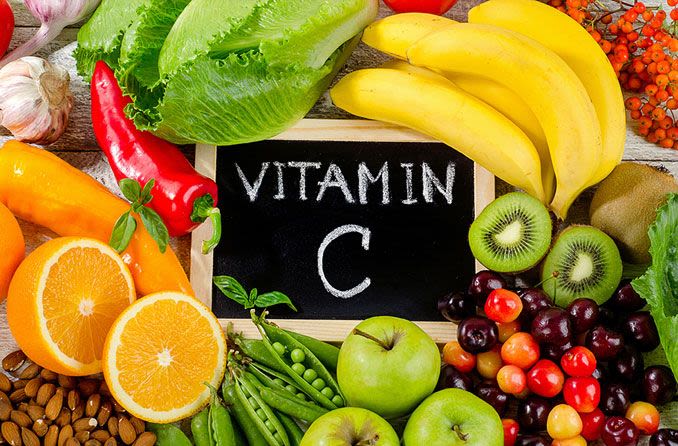
Vitamin C is one of the most widely taken supplements in the world and one of the most misunderstood. It is genuinely essential, genuinely useful — and also the subject of a great deal of overstatement. Here is what the evidence actually supports.
What is vitamin C?
Vitamin C, or ascorbic acid, is a water-soluble vitamin required for normal growth, development and tissue repair. Unlike most animals, humans cannot manufacture it, so it must come entirely from diet.
What it does in the body
- Collagen synthesis. Vitamin C is essential for producing collagen, the structural protein in skin, blood vessels, tendons, cartilage, bone and teeth. This is why deficiency causes tissues to break down.
- Wound healing. Directly follows from the above — healing requires new collagen.
- Iron absorption. Vitamin C substantially increases absorption of non-haem iron (the form in plant foods), which matters a great deal for vegetarians and vegans. Pairing beans or leafy greens with peppers, tomatoes or citrus is a practical trick.
- Antioxidant activity. It neutralises free radicals produced by normal metabolism and by pollutants such as cigarette smoke.
- Immune function. Supports the normal function of white blood cells and skin barrier defences.
How much do you need?
The UK reference nutrient intake is 40 mg a day for adults — notably lower than the 75–90 mg used in the US, and both are set comfortably above the amount needed to prevent deficiency. Smokers require more, as smoking depletes vitamin C.
Reaching this through food is easy: a single medium orange, half a red pepper, or a serving of broccoli or strawberries will cover it. Other good sources include kiwi fruit, blackcurrants, Brussels sprouts, kale and potatoes.
Vitamin C is degraded by heat and dissolves into cooking water, so raw or lightly steamed vegetables retain more.
The common cold: what the evidence says
This is where expectations and evidence part ways. Reviews of the research have consistently found that routine vitamin C supplementation does not prevent colds in the general population. It appears to shorten cold duration slightly — on the order of 8% in adults — which in practice means a few hours off a week-long cold. Starting vitamin C after symptoms begin has not been shown to help meaningfully.
The one exception in the literature is people undergoing extreme physical stress, such as marathon runners and soldiers in subarctic conditions, where supplementation did appear to reduce cold incidence.
Vitamin C has been proposed for a very long list of other conditions — from acne to dementia to cancer — but for the large majority of these, evidence is weak, inconsistent or absent. Be wary of claims that outrun the data.
Deficiency
Severe, prolonged deficiency causes scurvy: fatigue, easy bruising, bleeding and swollen gums, poor wound healing, joint pain, anaemia and loose teeth. It is rare in the UK but still occurs — typically in people with very restricted diets, alcohol dependence, eating disorders, or significant social isolation. It responds rapidly to treatment.
Can you take too much?
Because vitamin C is water-soluble, excess is largely excreted, and toxicity is uncommon. However, high doses are not harmless. Above roughly 1,000 mg a day, many people experience stomach pain, diarrhoea and flatulence. High long-term doses also increase the risk of kidney stones in susceptible people, and can interfere with some blood glucose meters. Food sources remain the better route for most people.
Checking your nutrient levels
Rightangled's home blood tests can assess a range of vitamin and mineral markers, including iron studies, vitamin D and B12, processed by accredited UK laboratories. Results are reviewed by our clinical team, which includes GPhC-registered independent prescribers, with medical oversight from our doctor, Dr Abdullah.
You can also browse our vitamins and supplements range.
Verify us with the General Pharmaceutical Council (registration 9011933), see our LegitScript certification, and read reviews on Trustpilot.
This article is for general information and does not replace personalised medical advice.

Share:
Folate Deficiency, are you at Risk?
Lactose Intolerance and How Much of It Is Genetically Induced