

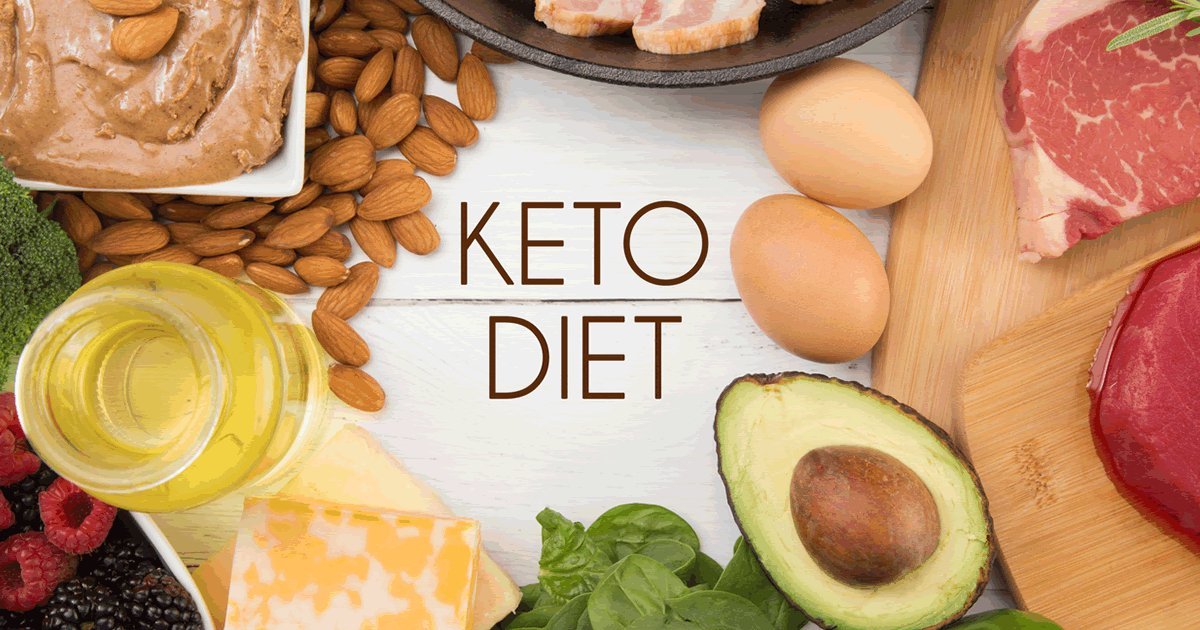
The ketogenic diet has been one of the most talked-about eating patterns of the last decade, particularly for weight loss. It also attracts a great deal of overstatement. This guide explains what it actually involves, what the evidence genuinely supports, and who should be cautious.
What is a ketogenic diet?
A ketogenic diet is very low in carbohydrate, high in fat, and moderate in protein. Typically that means restricting carbohydrate to around 20–50 g a day — substantially less than most people eat — with roughly 70–80% of energy from fat, 15–25% from protein and 5–10% from carbohydrate.
What happens in the body
Your body normally runs primarily on glucose. When carbohydrate intake drops low enough, liver glycogen stores deplete, and the liver begins converting fatty acids into ketone bodies — an alternative fuel the brain and muscles can use. This metabolic state is called nutritional ketosis, and it typically takes two to four days of strict restriction to reach.
An important clarification: nutritional ketosis is not the same as diabetic ketoacidosis, a dangerous medical emergency involving far higher ketone levels alongside high blood glucose. They are frequently confused, but they are entirely different states.
What the evidence supports
Weight loss — yes, but the mechanism is often misunderstood. Keto does produce weight loss, and often rapid loss in the first weeks. Much of that early drop is water, because glycogen is stored with water. Beyond that, weight loss occurs mainly because the diet reduces appetite and eliminates whole categories of food, lowering overall calorie intake. Studies comparing keto with other diets at matched calories generally find similar fat loss over 12 months — so keto is not metabolically magic, but it does suit some people's appetite very well.
Blood sugar control — good evidence. Low-carbohydrate approaches can meaningfully improve blood glucose and HbA1c in type 2 diabetes, and in some cases support remission. This must be medically supervised — see the warning below.
Epilepsy — strong, long-standing evidence. The ketogenic diet was developed in the 1920s as a treatment for drug-resistant epilepsy, particularly in children, and remains in clinical use for that purpose under specialist dietetic supervision.
Triglycerides and HDL often improve. LDL cholesterol, however, rises in a meaningful proportion of people — sometimes substantially.
What the evidence does not support
Claims that keto prevents cardiovascular disease, treats acne, or protects the brain against neurodegenerative conditions are not established. Research into ketones and neurological conditions is genuinely interesting but early-stage, and nowhere near the point of recommendation.
One common confusion worth correcting: the Atkins diet is not the same as a ketogenic diet. Atkins is higher in protein and reintroduces carbohydrate in later phases, so most people following it are not in sustained ketosis.
Side effects
- "Keto flu" — headaches, fatigue, irritability and brain fog in the first week, largely from fluid and electrolyte losses
- Constipation — very common, as fibre intake usually falls sharply
- Muscle cramps from electrolyte shifts
- Bad breath from acetone
- Reduced exercise capacity for the first few weeks
- Nutrient gaps — restricting fruit, wholegrains and pulses risks low fibre, vitamin C, magnesium and potassium
- Raised LDL cholesterol in some people, which needs monitoring
Who should avoid it or seek advice first
Speak to a clinician before starting if you:
- Take insulin or diabetes medication — particularly sulfonylureas or SGLT2 inhibitors. Doses often need adjusting to avoid hypoglycaemia, and SGLT2 inhibitors carry a risk of ketoacidosis on very low carbohydrate. This is not optional.
- Have kidney disease, liver disease or pancreatitis
- Have a history of disordered eating
- Are pregnant or breastfeeding
- Have familial hypercholesterolaemia or already-high LDL cholesterol
- Have had your gallbladder removed
Is it sustainable?
Honestly, for many people, no — adherence in long-term studies tends to fall away. That is not a failure of willpower; a diet that excludes bread, pasta, rice, most fruit and all pulses is socially and practically demanding. The best eating pattern is the one you can actually maintain. For some people that is keto; for many it is a moderate approach with more fibre and fewer refined carbohydrates.
If you do try it
Get your cholesterol and other markers checked before starting and again after around three months, prioritise non-starchy vegetables for fibre, keep hydration and electrolytes up, and choose unsaturated fats (olive oil, nuts, avocado, oily fish) over saturated ones.
Common questions about the keto diet
How can you tell if you are in ketosis?
Signs such as a drop in appetite are unreliable on their own, so testing gives a clearer picture. Urine strips are simple to use, but they become less accurate after a few weeks as your body uses ketones more efficiently and passes fewer in your urine. Finger-prick blood ketone meters are more precise. If you take diabetes medication, ask your clinician which readings are safe for you before you start testing at home.
Can you drink alcohol on a keto diet?
Alcohol does not end ketosis on its own, but your liver deals with it before fat, so fat burning slows while it is in your system. Beer, cider, sweet wines and sugary mixers are high in carbohydrate and can take you over your daily limit quickly. Some people also find alcohol affects them faster when carbohydrate intake is very low. If you take insulin or a sulfonylurea, alcohol adds to the risk of low blood sugar, so keep amounts small and avoid drinking on an empty stomach.
Can you follow keto as a vegetarian or vegan?
Vegetarian keto is manageable, because eggs, cheese, full-fat Greek yoghurt and tofu give you protein without many carbohydrates. Vegan keto is harder. Beans, lentils and chickpeas are too high in carbohydrate for most keto plans, so you rely on tofu, tempeh, nuts and seeds for protein. Your food choices narrow, and vitamin B12, iron, calcium and omega-3 fats need more attention. Planning meals a week ahead helps, and a blood test can show whether any levels are slipping.
What happens when you stop the keto diet?
Expect the scales to go up a little in the first week or two. Much of that is water returning as your body refills its glycogen stores, not fat. Larger regain usually comes from going straight back to old portion sizes and refined carbohydrates. Bring carbohydrate back gradually, starting with higher-fibre foods such as oats, pulses, wholegrains and fruit, and keep the protein and vegetable habits you built. If your cholesterol rose while you were on keto, have it rechecked a few months later.
Can you follow keto while using weight loss injections?
Combining the two needs care. Weight loss injections such as Mounjaro and Wegovy already reduce your appetite, and a very restrictive diet on top can make it hard to eat enough protein, fibre and fluid. Nausea, vomiting and diarrhoea are common side effects of these medicines and can make dehydration more likely. A balanced, protein-focused diet usually fits better. Our guide on what not to eat on Mounjaro covers practical food choices, and a clinician reviews your suitability before any treatment is supplied.
Monitoring with Rightangled
Rightangled's home blood tests can track cholesterol, lipids, HbA1c, liver and kidney function — the markers most worth watching on a ketogenic diet. Results are reviewed by our clinical team, which includes GPhC-registered independent prescribers, with medical oversight from our doctor, Dr Abdullah.
Verify us with the General Pharmaceutical Council (registration 9011933), see our LegitScript certification, and read reviews on Trustpilot.
Related reading: is a low-carb diet safe for you?
This article is for general information and does not replace personalised medical advice. If you take medication for diabetes, speak to your clinician before reducing carbohydrate intake.



Share:
Lactose Intolerance and How Much of It Is Genetically Induced
Avocado oil, what’s the hype about?