


A fast online assessment, a clinician review, and treatment delivered to your door can feel almost too convenient. That is why so many people ask: is online prescription safe?
The short answer is yes - but only when the service is properly regulated, clinically led, and set up to prescribe based on your medical needs rather than simply process a sale. Online prescribing can be safe, effective, and genuinely helpful. It can also be risky if you use an unregulated website that skips the checks that protect patients.
Is online prescription safe when done properly?
In the UK, online prescribing is not a loophole or a grey area. It is a legitimate form of healthcare. Registered prescribers can assess patients remotely, prescribe treatment where appropriate, and arrange pharmacy dispensing without a face-to-face appointment.
What makes it safe is not the fact that it happens online. Safety comes from the clinical process behind it. A responsible provider should ask relevant medical questions, review your answers properly, check whether the medicine is suitable, and refuse treatment when it is not appropriate. That last point matters. A service that prescribes everything to everyone is not convenient healthcare - it is poor clinical practice.
For many common conditions, remote prescribing works well. Weight loss treatment, contraception, erectile dysfunction treatment, hair loss medication, travel medicine, and certain short-term treatments can often be managed safely online. The model suits adults who know what they need help with and want a discreet, efficient route to care.
What actually makes an online prescription safe?
A safe online prescription service has strong controls behind the scenes. You may only see a short questionnaire and a checkout page, but a lot should be happening in the background.
First, the provider should be regulated. In the UK, online pharmacies should be registered with the General Pharmaceutical Council, and healthcare services may also need Care Quality Commission registration depending on how they operate. Those details are not just badges for a homepage. They show that the business is expected to meet standards around patient safety, governance, dispensing, and complaint handling.
Second, prescriptions should be clinician-led. That means a qualified prescriber reviews your case and makes a decision based on your medical history, symptoms, current medication, and risk factors. Good online prescribing is not automated medicine vending. Technology can make the process faster, but clinical judgement still needs to sit at the centre.
Third, the assessment should be specific enough to catch problems. If you are requesting weight loss treatment, for example, a safe provider should ask about your BMI, medical history, previous treatment, side effects, and whether there are reasons the medicine may not suit you. If you are seeking treatment for sexual health or hair loss, the questions should still be targeted and clinically meaningful.
Finally, there should be a proper supply chain. Medicines need to be sourced legally, dispensed by a registered pharmacy, packaged securely, and delivered in a way that protects quality and patient privacy.
The biggest risks to watch for
The phrase is online prescription safe has a different answer when the website is not operating to UK clinical standards. That is where the real danger sits.
One risk is buying prescription-only medicine from a site that does not require a genuine clinical assessment. If a website lets you add a prescription medicine to your basket with little more than your name and address, that should raise questions immediately. Safe prescribing involves suitability checks, not just payment processing.
Another issue is poor identity and medical verification. If the provider does not check who you are, what medicines you already take, or whether you have contraindications, the risk of unsafe prescribing goes up. This is particularly relevant with treatments that affect blood pressure, hormones, blood sugar, mental health, or weight.
Counterfeit or substandard medicines are another serious concern. This tends to happen when patients buy from overseas sellers, online marketplaces, or websites that present themselves as pharmacies without proper regulation. The packaging may look convincing, but the product may contain the wrong dose, the wrong ingredient, or nothing useful at all.
There is also a more subtle risk: oversimplification. Online care is excellent for many situations, but not every symptom should be managed remotely. A trustworthy provider should know when to pause, ask for more information, recommend a GP review, or direct you to urgent care.
How to tell if an online pharmacy is trustworthy
If you are comparing providers, a few checks can help you make a confident decision.
Start with regulation and registration. A legitimate online pharmacy should clearly state its UK registration details. You should be able to see that it is operating as a real healthcare provider, not simply as an ecommerce site selling medical products.
Then look at how the consultation works. Are you being asked detailed health questions that make sense for the medicine requested? Is there evidence of clinician oversight? Does the provider explain who can and cannot use the treatment? Good healthcare content is usually clear about eligibility, cautions, side effects, and when treatment may be refused.
The language on the website also tells you a lot. A trustworthy service balances convenience with clinical limits. It may highlight speed, discretion, and next-day delivery, but it should not promise guaranteed approval or imply that every medicine is suitable for every person.
It also helps to check what happens after prescribing. Can you contact the team with questions? Are side effects explained? Is there support for repeat treatment or follow-up? Safe care does not end when the parcel leaves the pharmacy.
Why online prescriptions suit some treatments better than others
Online prescribing is especially useful when the condition is common, the treatment pathway is well established, and the patient can provide accurate health information. That is why it works so well for areas such as weight management, men’s health, contraception, repeat treatments, and some short-term conditions.
For people with busy schedules, caring responsibilities, or concerns about privacy, this model can remove unnecessary friction. You do not need to wait days for an appointment, sit in a waiting room, or explain a sensitive issue at a pharmacy counter. That convenience is not just a consumer perk. In some cases, it helps people access treatment earlier and more consistently.
That said, there are trade-offs. Remote prescribing depends on the quality of the information you give. If you rush through the questionnaire, leave out key details, or guess your measurements, the clinician is working with incomplete information. Online care is convenient, but it still relies on honest and accurate disclosure.
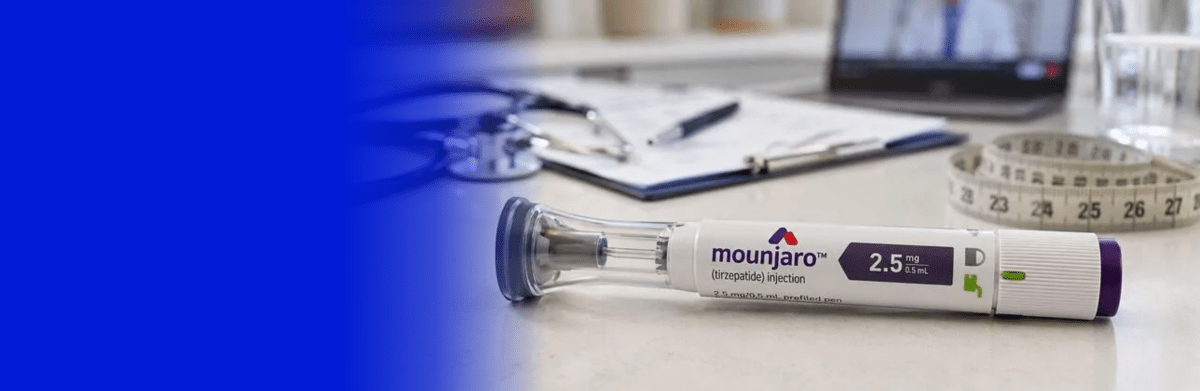
Online weight loss treatment and safety
Weight loss treatment is one of the areas where patients most often ask whether online prescribing is safe. The answer depends heavily on screening and follow-up.
These medicines are not suitable for everyone. A safe provider should assess BMI, relevant health conditions, pregnancy status where relevant, other medication, and whether the treatment matches your goals and health profile. It should also give you clear advice on side effects, dosing, and what support to expect alongside medication.
This matters because weight loss treatment is not a casual purchase. It can be highly effective for eligible patients, but only when prescribed carefully and managed properly. A regulated, doctor-led pathway offers a much safer route than buying from unverified sellers or social media referrals.
For UK patients who want speed without cutting corners, services such as Rightangled are built around that balance - fast access, discreet delivery, and clinician oversight within a regulated framework.
Questions to ask before you order
Before using any online prescribing service, ask yourself a few practical questions. Do I understand what this medicine is for? Have I answered the consultation honestly? Can I see who regulates this provider? Is there a clinician involved? Does the website explain risks as clearly as benefits?
If the answer to any of those is no, pause before ordering. The safest online healthcare providers do not rely on urgency alone. They make it easy to move quickly, but they also make it easy to understand what you are taking and why.
So, is online prescription safe for most adults?
For many adults in the UK, yes. Online prescribing can be a safe and efficient way to access treatment when the provider is regulated, the assessment is clinician-led, and the service is built around appropriate prescribing rather than quick sales.
The better question is not whether online prescriptions are safe in theory. It is whether the provider in front of you behaves like a genuine healthcare service. If it does, online treatment can save time, protect privacy, and improve access without compromising clinical standards.
Good online care should feel simple from the outside and rigorous underneath. That is the standard worth looking for.


Partager:
What Is a Doctor Led Weight Loss Plan?
Is Wegovy Safe? A Complete Guide