

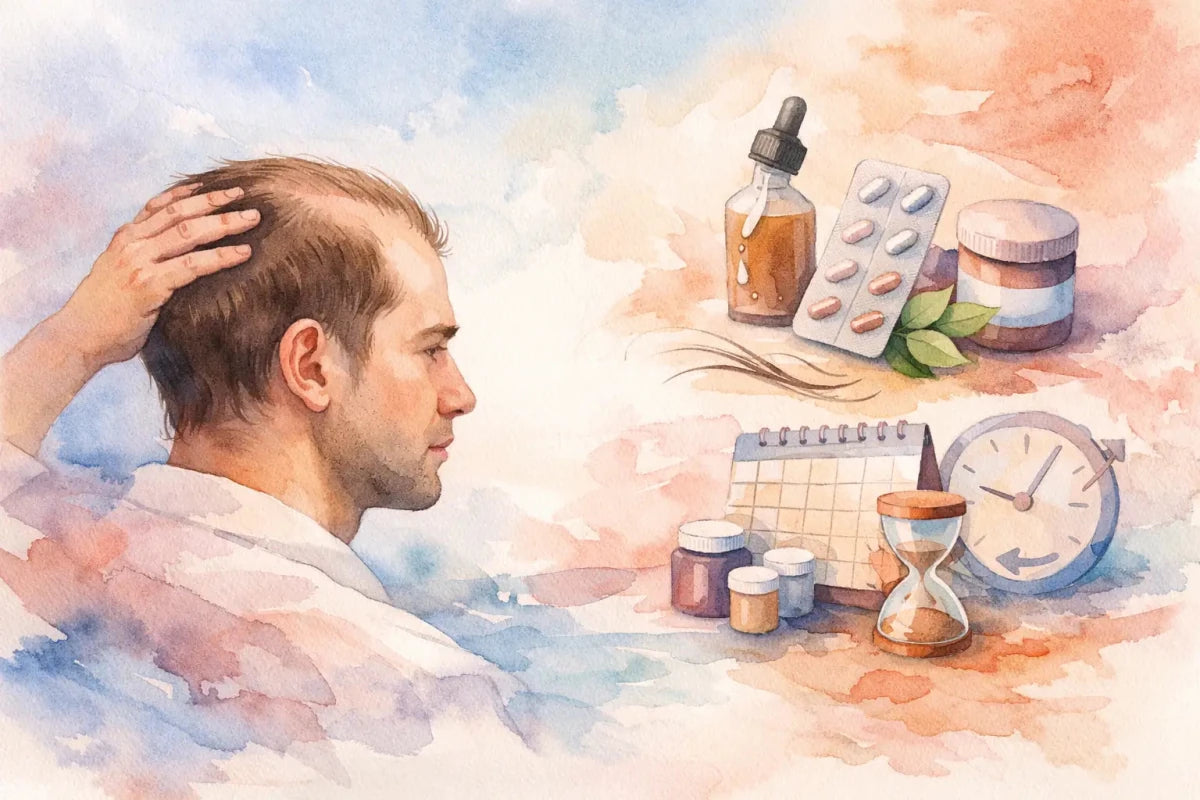
Hair loss rarely arrives at a convenient time. You might first notice more strands in the shower, a widening parting in photos or a receding hairline when getting ready for work. When treatment is suitable, consistency matters - which is why a hair loss treatment subscription can be a practical option for people who want discreet, clinician-led support without repeatedly arranging a new prescription.
A subscription should not mean treatment on autopilot. The right service combines an online clinical assessment, appropriate prescribing, regular deliveries and a route to ask for help if your health, side effects or results change. It removes avoidable admin while keeping medical oversight where it belongs.
How a hair loss treatment subscription works
Most online subscription services begin with a health questionnaire. You will usually be asked about the pattern and duration of your hair loss, current medicines, allergies, medical history and whether there is a possibility of pregnancy. A qualified prescriber reviews this information to decide whether treatment is appropriate.
If you are eligible, your prescription is issued and treatment is sent to your chosen address. Future supplies are then delivered at set intervals, so you are less likely to run out halfway through a course. Depending on the provider and treatment, you may be able to manage delivery dates, pause a subscription or request a review online.
This model is particularly useful because hair loss treatments need time. Stopping and starting medication simply because it is inconvenient to reorder can make it harder to judge whether a treatment is helping. A regular supply supports a more realistic routine.
At Rightangled, the aim is to make that process fast and discreet while retaining the reassurance of a regulated digital pharmacy and clinician-led assessment. Convenience is valuable, but it should always sit alongside proper screening and clear medical information.
Why consistency matters for hair loss treatment
The most common cause of progressive hair loss in adults is androgenetic alopecia, often called male or female pattern hair loss. It is influenced by genetics and hormones, and it tends to develop gradually. Treatments used for this type of hair loss generally work by supporting hair follicles or, in some cases, reducing the hormonal process that contributes to thinning.
They are not instant fixes. With treatments such as topical minoxidil, some people notice temporary shedding early on as the hair growth cycle adjusts. It can take several months before changes become noticeable, and results vary considerably between individuals. Continuing treatment is often necessary to maintain any benefit.
That does not mean everyone should subscribe indefinitely without reflection. It means expectations should be sensible from the start. If treatment is causing side effects, if your condition changes, or if you are unhappy with your response after an appropriate review period, speak to a clinician rather than simply renewing.
Which treatments may be offered?
Your options depend on your sex, health history, type of hair loss and clinical suitability. A prescriber may recommend a topical treatment, an oral treatment or advise that a different assessment is needed before medication is considered.
Topical minoxidil is commonly used for certain types of hair loss. It is applied directly to the scalp and may suit people who prefer not to take tablets. It requires regular use, and scalp irritation can occur. Careful application also matters, as the product can transfer to other skin or fabrics before it dries.
Finasteride is a prescription-only tablet that may be prescribed to adult men for male pattern hair loss when clinically appropriate. It is not suitable for everyone and can cause side effects, including sexual and mood-related side effects in some people. Women who are pregnant or may become pregnant should not handle crushed or broken finasteride tablets because of the potential risk to a male unborn baby.
Not all hair loss is pattern hair loss. Sudden shedding, patchy bald areas, redness, scaling, pain or scarring on the scalp can point to another cause. Stress, illness, iron deficiency, thyroid conditions, nutritional issues, some medicines and autoimmune conditions can also affect hair growth. A subscription service is useful for suitable recurring treatment, but it is not a substitute for investigating symptoms that need wider medical assessment.
What to check before you subscribe
A convenient checkout is not enough when prescription treatment is involved. Before choosing a hair loss treatment subscription, check that the provider carries out a meaningful clinical assessment and that treatment is prescribed by an appropriately qualified UK prescriber.
You should also be able to see the treatment cost clearly, including whether the initial supply, repeat prescriptions, clinical reviews and delivery are included. Low headline prices can be less useful if essential charges only appear later. Flexibility matters too: understand how to change, delay or cancel future deliveries before you commit.
Look for a UK-registered pharmacy and clear information about how to contact the clinical team. Regulated services should explain who is providing care, how your data is handled and what to do if you experience side effects or need urgent help.
Finally, be cautious of guarantees. Hair loss treatment can slow further loss, support regrowth or improve hair density for some people, but no responsible provider can promise a particular outcome. Honest guidance is a better sign than dramatic before-and-after claims.
Is a subscription the best option for you?
A subscription may suit you if you have already identified a suitable treatment with a clinician, want a dependable supply and prefer to manage care privately online. It can be particularly helpful for busy professionals and parents who do not want to make repeated pharmacy trips or chase a new prescription every month.
It may be less suitable if you are still unsure why you are losing hair, if your symptoms appeared suddenly, or if you have a complex medical history that needs a face-to-face examination. It is also worth reconsidering if the treatment routine itself does not fit your life. A daily tablet is easier for some people; a topical product works better for others. The best plan is the one you can use safely and consistently.
Cost should be part of the decision, but not the only factor. Compare the total monthly price with the quality of clinical support, prescription legitimacy, delivery reliability and the ability to access advice. Saving money is useful. Saving money on an unsuitable or poorly monitored treatment is not.
Getting better value from ongoing treatment
Take clear photos of your hair before starting treatment, then repeat them in similar lighting every few months. Hair changes are gradual, and photographs can provide a more reliable comparison than checking the mirror each morning. Try to use the same angle, hairstyle and parting each time.
Follow the directions exactly, including the dose and application method. More treatment does not necessarily mean better results, and using more than advised may increase the chance of side effects. If you miss a dose, do not double up unless a clinician or the patient information leaflet tells you to do so.
Keep the subscription details somewhere accessible and review them before each renewal. Update the provider if you start a new medicine, develop a new condition, experience side effects or have a change in pregnancy plans. These details can affect whether your treatment remains appropriate.
When to seek medical advice sooner
Arrange medical advice promptly if your hair loss is sudden, severe, patchy or accompanied by scalp symptoms such as inflammation, soreness or scaling. You should also seek help if you have other symptoms, including unexplained tiredness, weight change or changes in your skin and nails.
For prescribed treatments, report troubling side effects rather than waiting for the next delivery. Seek urgent medical help for symptoms of a severe allergic reaction, such as swelling of the face or throat, difficulty breathing or a widespread rash.
A well-run subscription should make treatment easier to continue, not harder to question. Start with an honest assessment, give suitable treatment enough time, and keep your clinician informed. That is how convenience can support a considered, long-term approach to hair health.



Partager:
When Same Day Medication Delivery Makes Sense
Online Menopause Treatment Guide for UK Women