


Escrito por: Equipo Médico de Rightangled
Revisado médicamente por: Equipo Clínico de Rightangled
Tiempo de lectura: 10 minutos
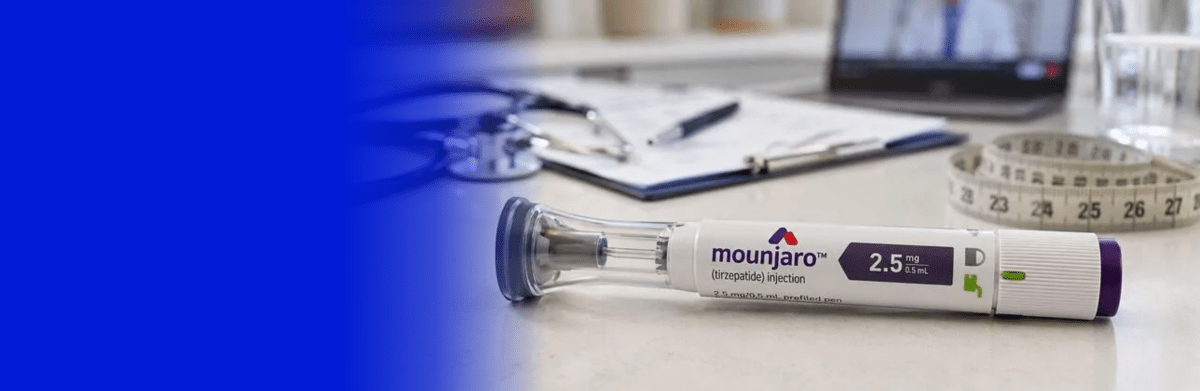
Perder una cantidad significativa de peso es una de las cosas más importantes que puedes hacer por tu salud a largo plazo. Si lo has logrado con la ayuda de Mounjaro o Wegovy, ese logro merece ser reconocido, no ser socavado por algo que nadie te advirtió que podría suceder.
La piel flácida después de una pérdida de peso sustancial es real, común y algo que toma a muchas personas por sorpresa. Puede resultar desmoralizador cuando has trabajado duro, has perdido peso y luego te encuentras frustrado por el aspecto de algunas partes de tu cuerpo. Los sentimientos que conlleva (vergüenza, decepción, preguntarse si valió la pena) son totalmente válidos.
Esta guía está aquí para explicar honestamente qué causa la piel flácida después de las inyecciones para bajar de peso, qué ayuda realmente, qué no y cómo abordar la experiencia con expectativas realistas y un plan claro.
¿Mounjaro y Wegovy causan flacidez en la piel?
Esta es una de las cosas más importantes que hay que entender bien, y muchos artículos se equivocan.
Mounjaro y Wegovy no causan directamente flacidez en la piel. Los medicamentos en sí mismos no dañan ni destruyen el colágeno. Lo que hacen es permitir una pérdida de peso significativa, a menudo rápida. Y es la pérdida de peso, particularmente su velocidad y magnitud, lo que conduce a la flacidez de la piel, no el medicamento en sí.
La misma flacidez de la piel ocurriría después de perder 30-40 kg por cualquier medio: cirugía, solo dieta o ejercicio. La diferencia con los medicamentos GLP-1 y los agonistas duales como Mounjaro y Wegovy es que pueden apoyar una pérdida de peso más rápida y sustancial de lo que muchas personas han logrado anteriormente, lo que a su vez hace que el resultado de la piel flácida sea más probable y, a veces, más pronunciado.
Para decirlo claramente: el medicamento funcionó. La flacidez de la piel es un efecto secundario del éxito, no del medicamento.
¿Por qué ocurre la piel flácida después de una pérdida de peso significativa?
Tu piel es un órgano extraordinariamente elástico. Se estira a medida que ganas peso, acomodando la capa de grasa que se expande debajo de ella, y lo ideal es que se contraiga cuando se pierde esa grasa. Pero la capacidad de la piel para contraerse depende de una estructura proteica compuesta principalmente de colágeno y elastina.
Cuando la piel se ha estirado significativamente durante un largo período, esas fibras de colágeno y elastina pueden dañarse, aflojarse o volverse menos resistentes. Una vez que la grasa subyacente se reduce rápidamente, como suele ocurrir durante la pérdida de peso asistida médicamente, es posible que la piel no pueda retraerse al mismo ritmo, dejando un exceso de piel.
Piensa en ello como un globo. Un globo que ha estado inflado durante años no recuperará su tamaño y forma originales en el momento en que lo desinfles. Cuanto más tiempo haya estado estirado y cuanto más se haya estirado, más holgura conservará.
Este no es un estado permanente e irreversible en todos los casos, pero es una realidad biológica natural, particularmente después de perder un porcentaje significativo de peso corporal.
¿Qué zonas son las más afectadas?
La piel flácida después de la pérdida de peso con medicamentos como Mounjaro y Wegovy tiende a aparecer de forma más notoria en:
-
El abdomen: la zona más comúnmente reportada, especialmente después de una pérdida de peso significativa o después del embarazo
-
Brazos: la piel flácida y colgante es común aquí y puede causar frustración con la elección de la ropa
-
Muslos internos: la piel que cuelga sobre o alrededor del área de la rodilla se menciona con frecuencia
-
Senos: el volumen y la forma pueden cambiar significativamente con la pérdida de grasa
-
Rostro, línea de la mandíbula y cuello: la pérdida de grasa facial puede llevar a una apariencia demacrada o hundida, papada flácida o piel crepada en el cuello
-
Espalda y flancos: a veces llamados "rollos de la espalda" o "protuberancia del sujetador" - el exceso de piel aquí no siempre desaparece con la pérdida de grasa
Las zonas afectadas y su gravedad dependen de dónde acumulabas peso y durante cuánto tiempo.
Factores que afectan la cantidad de piel flácida que se obtiene
No todas las personas que pierden peso con Mounjaro o Wegovy experimentarán una flacidez significativa de la piel. Estos son los principales factores que determinan la extensión de la misma:
Cuánto peso perdiste. Cuanto mayor sea la pérdida de peso total, mayor será la probabilidad de piel flácida visible. Perder 20-25 kilos es muy diferente a perder 50-60 kilos en términos de respuesta de la piel.
Con qué rapidez lo perdiste. La pérdida de peso rápida le da a la piel menos tiempo para adaptarse gradualmente. Cuanto más rápido desaparece la grasa de debajo de la piel, más probable es que esta se quede atrás. Este es uno de los factores más importantes.
Cuánto tiempo estuviste con sobrepeso. La piel que ha estado estirada durante una década ha tenido más tiempo para perder su elasticidad que la piel estirada durante dos años.
Tu edad. La producción de colágeno y elastina disminuye naturalmente con la edad. Las personas más jóvenes generalmente tienen más elasticidad en la piel y una mayor probabilidad de retracción natural. Esto no significa que las personas mayores no puedan mejorar su piel, simplemente establece expectativas realistas.
Genética. La elasticidad de la piel tiene un fuerte componente genético. La piel de algunas personas se recupera notablemente bien; la de otras no, incluso en circunstancias idénticas.
Daño solar y antecedentes de tabaquismo. Ambos degradan el colágeno con el tiempo, reduciendo la capacidad de la piel para retraerse naturalmente.
Tu hidratación y nutrición durante la pérdida de peso. La proteína, la hidratación y los micronutrientes contribuyen a la salud de la piel durante el proceso.
"Cara de Mounjaro" y "Cara de Wegovy": ¿Qué son realmente?
Es posible que hayas encontrado los términos "cara de Mounjaro", "cara de Wegovy" o "cara de Ozempic" en las redes sociales. Estos no son diagnósticos médicos, sino abreviaturas impulsadas por los pacientes para un fenómeno real: la pérdida de grasa facial que puede hacer que la cara parezca demacrada, hundida alrededor de las mejillas o de mayor edad durante o después de una pérdida de peso significativa con medicamentos GLP-1.
El mecanismo es el mismo que en otras partes del cuerpo: pérdida de volumen de grasa que la piel superpuesta no compensa por completo. En la cara, esto puede manifestarse como:
-
Mejillas hundidas o ahuecadas
-
Pliegues nasolabiales más prominentes (las líneas desde la nariz hasta la boca)
-
Piel más flácida alrededor de la línea de la mandíbula o la papada
-
Una textura crepé o más fina en el cuello
Cabe señalar que la pérdida de peso en sí misma, por cualquier método, produce estos cambios en las personas que pierden cantidades significativas de grasa facial. Los medicamentos se asocian a ella porque permiten una pérdida de peso sustancial, no porque se dirijan o agoten específicamente las estructuras faciales.
Para algunas personas, este es un efecto secundario no deseado de la transformación. Para otras, apenas se nota o no es una preocupación. La experiencia individual varía considerablemente.
Qué puedes hacer antes y durante el tratamiento para minimizar la flacidez de la piel

No puedes garantizar que no tendrás piel flácida después de perder una cantidad significativa de peso. Pero existen enfoques de estilo de vida respaldados por la evidencia que apoyan la salud de la piel durante y después de la pérdida de peso, y que mejoran tus posibilidades de una mejor retracción de la piel.
1. Pierde peso de forma constante siempre que sea posible
La tasa de pérdida de peso es uno de los predictores más fuertes de piel flácida. Discute tu dosis y ritmo con tu equipo clínico de Rightangled; no hay premio por perder peso lo más rápido posible, y una trayectoria más gradual le da a tu piel más tiempo para adaptarse. Tu médico puede ayudarte a encontrar el equilibrio entre el progreso y un ritmo amigable con la piel.
2. Prioriza las proteínas
La proteína es el componente básico del colágeno y la elastina, las proteínas estructurales que le dan a la piel su firmeza y elasticidad. Una ingesta adecuada de proteínas durante la pérdida de peso ayuda a preservar la masa muscular (que rellena el espacio debajo de la piel) y apoya los propios mecanismos de reparación de la piel.
Apunta a al menos 1,2 a 1,6 g de proteína por kilogramo de peso corporal por día. Carnes magras, pescado, huevos, lácteos, legumbres y suplementos proteicos de alta calidad pueden contribuir.
3. Desarrolla músculo mediante entrenamiento de resistencia
El músculo ocupa espacio debajo de la piel. A medida que se pierde grasa, desarrollar masa muscular magra en su lugar puede literalmente rellenar la piel, reduciendo la apariencia de flacidez. El entrenamiento de fuerza es la herramienta más efectiva para esto.
No necesitas convertirte en un culturista. De dos a tres sesiones de entrenamiento de resistencia por semana, centrándose en las áreas donde la piel flácida es más preocupante (brazos, muslos, abdomen), marcan una diferencia significativa con el tiempo. Esta es una de las recomendaciones más consistentemente respaldadas en la investigación.
4. Mantente hidratado
Una piel bien hidratada mantiene una mejor elasticidad. Apunta a 1,5–2 litros de agua al día. Esto también ayuda a reducir los efectos secundarios de Mounjaro y Wegovy, especialmente las náuseas y el estreñimiento.
5. Come para la salud de la piel
Más allá de las proteínas, los nutrientes que apoyan la piel incluyen:
-
Vitamina C - esencial para la síntesis de colágeno (cítricos, bayas, pimientos, brócoli)
-
Zinc - apoya la reparación de la piel (semillas, legumbres, carne, mariscos)
-
Ácidos grasos Omega-3 - apoyan la barrera lipídica de la piel (pescado azul, nueces, linaza)
-
Alimentos ricos en colágeno - caldo de huesos, piel de pescado, pollo con piel
Los suplementos de colágeno se comercializan ampliamente y algunos estudios sugieren beneficios modestos para la elasticidad de la piel, aunque no son una solución independiente.
6. Protege tu piel del daño solar
La exposición a los rayos UV degrada el colágeno y la elastina, acelerando exactamente lo que intentas proteger. Un SPF diario de 30+ es un hábito sencillo y respaldado por la evidencia que preserva la calidad de la piel con el tiempo.
7. Evita fumar
Fumar deteriora significativamente la producción de colágeno y acelera el envejecimiento de la piel. Si fumas, dejarlo es una de las decisiones más efectivas que puedes tomar para la salud de tu piel, además de sus muchos otros beneficios para la salud.
Tratamientos no quirúrgicos para la piel flácida
Cuando las medidas de estilo de vida no son suficientes por sí solas (lo cual es común después de una pérdida de peso significativa), una variedad de tratamientos clínicos no quirúrgicos pueden mejorar significativamente la firmeza y la textura de la piel. Estos no replicarán los resultados quirúrgicos en casos graves, pero para la flacidez cutánea moderada pueden producir una mejora real.
Tratamientos de radiofrecuencia (RF) - incluyendo Morpheus8
Los tratamientos de RF utilizan calor controlado para estimular la producción de colágeno y elastina en las capas más profundas de la piel. Morpheus8 combina la radiofrecuencia con microagujas para una mayor profundidad de penetración, lo que lo hace particularmente efectivo para áreas como el abdomen, los brazos y los muslos internos. Generalmente se requieren varias sesiones.
Ultrasonido Focalizado de Alta Intensidad (HIFU)
HIFU se dirige a las capas estructurales más profundas de la piel, desencadenando la respuesta natural del cuerpo para la construcción de colágeno. Se usa comúnmente en la cara, el cuello y la papada, y también puede ser efectivo en el cuerpo. Los resultados se desarrollan gradualmente durante dos o tres meses después del tratamiento.
Microneedling con radiofrecuencia o exosomas
El microneedling crea microlesiones controladas en la superficie de la piel, lo que indica al cuerpo que inicie la reparación. Cuando se combina con radiofrecuencia o terapia con exosomas, los resultados en la textura, elasticidad y tono de la piel pueden ser significativos.
Profhilo y potenciadores cutáneos
Profhilo es un tratamiento inyectable de ácido hialurónico que estimula la producción de colágeno y elastina y mejora la calidad general y la hidratación de la piel. Es particularmente útil para la cara y el cuello donde la piel se ha vuelto crepé o flácida.
Retinoides tópicos
Los retinoides de venta con receta (tretinoína) tienen la mayor evidencia clínica de cualquier tratamiento tópico para mejorar la calidad de la piel y estimular la producción de colágeno. Los productos de retinol de venta libre son más débiles, pero pueden ofrecer un beneficio modesto con un uso constante durante muchos meses.
Estos tratamientos no están disponibles directamente a través de Rightangled, pero son ofrecidos por clínicas estéticas reguladas. Para pacientes en Europa que buscan apoyo para la pérdida de peso que integre tanto la medicación como la atención integral, el programa de pérdida de peso en línea de Medetone ofrece una opción adicional que vale la pena explorar.
Cuando la cirugía es la conversación adecuada
Para algunas personas, especialmente aquellas que han perdido una cantidad muy significativa de peso, los tratamientos no quirúrgicos no serán suficientes para lograr los resultados deseados. En estos casos, la cirugía de contorno corporal (también conocida como cirugía de eliminación de piel o cirugía posbariátrica) puede ser la opción más adecuada.
Los procedimientos comunes incluyen:
-
Abdominoplastia - elimina el exceso de piel y grasa del abdomen; a menudo se combina con la reparación de los músculos abdominales separados
-
Braquioplastia (lifting de brazos) - elimina el exceso de piel de la parte superior de los brazos
-
Lifting de muslos - aborda la flacidez de la parte interna o externa de los muslos
-
Mastopexia (lifting de senos) - remodela y levanta el tejido mamario afectado por la pérdida de volumen y grasa
-
Lifting facial y de cuello - aborda la pérdida de grasa facial, la papada y la flacidez del cuello
Consideraciones importantes:
-
Estos procedimientos rara vez están disponibles en el NHS y solo cuando la piel flácida causa problemas funcionales significativos (dificultad para lavarse, infecciones recurrentes, incapacidad para vestirse normalmente). La mayoría de las personas acceden a ellos de forma privada.
-
Los costos privados pueden variar desde varios miles de libras hasta más de 20.000 libras, dependiendo de la extensión de la cirugía requerida.
-
La cirugía conlleva riesgos reales, que incluyen infecciones, cicatrices y tiempos de recuperación más largos para procedimientos más extensos. Ir al extranjero para ahorrar costos es una opción común, pero requiere una investigación particularmente cuidadosa.
-
La mayoría de los cirujanos recomiendan esperar hasta que tu peso haya sido estable durante al menos 12 meses antes de considerar la cirugía de eliminación de piel, para asegurar que los resultados sean duraderos.
Si estás considerando la cirugía, habla primero con tu médico de Rightangled. Ellos pueden ayudarte a comprender el momento adecuado en relación con tu tratamiento con Mounjaro o Wegovy.
Expectativas realistas, y por qué la piel flácida no anula tu éxito
Esto es algo que vale la pena decir directamente.
Perder 30, 38, 50 o 60 kilogramos de peso cambia la salud de formas que van mucho más allá de la apariencia de la piel. Reduce el riesgo de diabetes tipo 2, enfermedades cardíacas, apnea del sueño, daño articular y ciertos tipos de cáncer. Puede añadir años a tu vida y décadas a tu calidad de vida. Para muchas personas, también transforma la forma en que se mueven, duermen, socializan y se sienten consigo mismas a un nivel fundamental.
La piel flácida es una parte real y a veces emocionalmente difícil de esa transformación. Merece ser tomada en serio y merece un apoyo práctico, no ser ignorada. Pero no borra lo que has logrado.
Algunas personas encuentran que apenas afecta su vida diaria. Otros lo encuentran genuinamente desafiante. La mayoría encuentra un punto intermedio: haciendo las paces con algunas partes, abordando otras clínicamente y continuando construyendo una vida que se siente más propia que antes.
No tienes que amar cada centímetro de tu cuerpo para reconocer que has hecho algo extraordinario.
Si estás al comienzo de tu viaje de pérdida de peso y quieres entender qué tratamiento podría ser adecuado para ti, explora nuestra colección de pérdida de peso o visita la página del producto Mounjaro para verificar la elegibilidad.
Preguntas frecuentes
¿Mounjaro causa directamente piel flácida?
No. Mounjaro (tirzepatida) no daña el colágeno ni causa directamente la piel flácida. La piel flácida asociada con el uso de Mounjaro es el resultado de la significativa pérdida de peso que apoya; la misma piel flácida ocurriría con cualquier método de pérdida de peso comparable.
¿Se tensará la piel flácida por sí sola después de suspender las inyecciones para bajar de peso?
Sí, especialmente en personas más jóvenes y en aquellas que perdieron una cantidad más moderada de peso. La piel continúa adaptándose gradualmente hasta por dos años después de la pérdida de peso. El desarrollo muscular y el mantenimiento de una buena nutrición durante este período favorecen la retracción natural. Sin embargo, para la piel flácida significativa, el tensado natural por sí solo a menudo no es suficiente.
¿Cuánto tiempo debo esperar antes de considerar la cirugía de eliminación de piel?
La mayoría de los cirujanos recomiendan esperar hasta que su peso se haya mantenido estable durante al menos 12 meses. Esto asegura que la piel flácida represente un exceso de piel genuino en lugar de piel que seguirá retrayéndose, y que los resultados quirúrgicos serán duraderos.
¿Pueden realmente ayudar los suplementos de colágeno?
Algunas investigaciones sugieren que los suplementos de colágeno hidrolizado pueden mejorar modestamente la elasticidad de la piel cuando se toman de forma constante durante varios meses. No son una intervención drástica, pero pueden ser una adición útil a un enfoque más amplio de apoyo a la piel, especialmente combinados con la ingesta de vitamina C.
¿Debo dejar de tomar Mounjaro o Wegovy antes de someterme a tratamientos cutáneos no quirúrgicos?
En la mayoría de los casos, no. Sin embargo, si estás planeando una cirugía, debes hablar sobre tu medicación GLP-1 con tu equipo quirúrgico. Hay consideraciones de seguridad anestésica para las personas que toman Mounjaro o Wegovy, y se puede recomendar una pausa en el tratamiento antes de un procedimiento quirúrgico.
¿La piel flácida después de Mounjaro está cubierta por el NHS?
La cirugía de eliminación de piel muy rara vez está disponible en el NHS. La elegibilidad requiere una discapacidad funcional demostrable, no solo una preocupación estética. La mayoría de las personas acceden a estos procedimientos de forma privada o, en algunos casos, en el extranjero.
¿Dónde puedo comenzar mi viaje de pérdida de peso con Mounjaro? Puede verificar su elegibilidad para Mounjaro a través de Rightangled con una evaluación médica completa en línea, un plan de dosificación personalizado y controles clínicos regulares. Nuestra colección de pérdida de peso cubre todos los tratamientos disponibles.
Referencias
-
Nora Nugent, Presidenta, British Association of Aesthetic Plastic Surgeons (BAAPS). Citada en BBC News, septiembre de 2025.
-
Jastreboff AM, et al. Tirzepatide una vez a la semana para el tratamiento de la obesidad. N Engl J Med. 2022;387(3):205–216.
-
Wilding JPH, et al. Semaglutida una vez a la semana en adultos con sobrepeso u obesidad. N Engl J Med. 2021;384(11):989–1002.
-
Lotus Weight Loss. Mounjaro, Wegovy y salud de la piel durante la pérdida rápida de peso. Revisado clínicamente en junio de 2026.
-
NHS. Tratamiento de la obesidad. Disponible en: https://www.nhs.uk/conditions/obesity/treatment/

Compartir:
¿Puedes beber alcohol mientras tomas Mounjaro?
Wegovy en pastillas Reino Unido 2026: Precio, coste y cómo funciona el comprimido para adelgazar