
Escrito por: Equipo Médico de Rightangled
Revisado médicamente por: Equipo Clínico de Rightangled
Tiempo de lectura: 9 minutos
¿Qué sucede realmente cuando se mezclan Mounjaro y alcohol?
Para comprender por qué el alcohol y Mounjaro interactúan de la manera en que lo hacen, es útil comprender lo que Mounjaro le hace a su sistema digestivo.
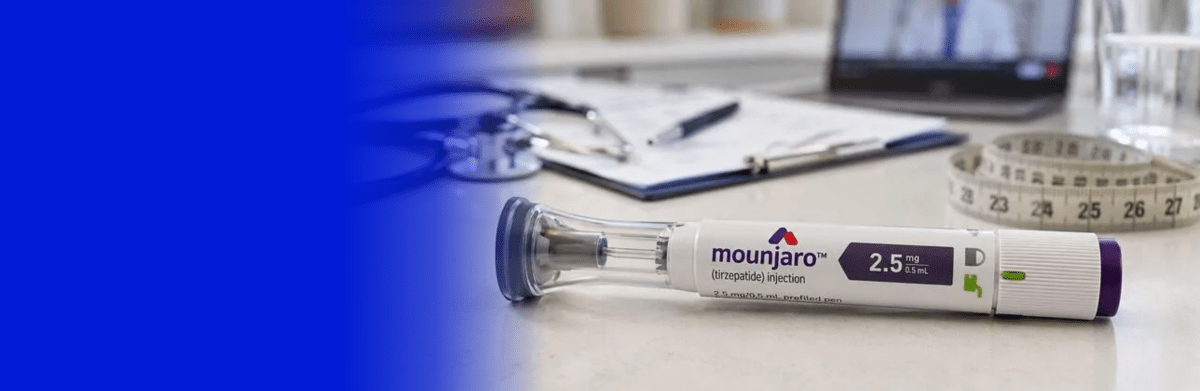
Mounjaro (tirzepatida) es un agonista dual de los receptores GLP-1 y GIP. Entre otros efectos, ralentiza significativamente el vaciamiento gástrico, la velocidad a la que los alimentos y líquidos salen del estómago. Esta es una de las razones clave por las que te hace sentir más lleno por más tiempo, y una de las razones clave por las que las náuseas son un efecto secundario tan común, especialmente en las primeras semanas.
Ahora, agregue alcohol a esa ecuación. El alcohol es un irritante gástrico que también ralentiza la digestión, te deshidrata y afecta la regulación del azúcar en la sangre. Cuando combinas un medicamento que ya está ralentizando tu sistema digestivo con una bebida que lo irrita y lo ralentiza aún más, los efectos se multiplican.
Esto es lo que puede suceder:
-
El alcohol se absorbe de forma más impredecible: debido a que Mounjaro ralentiza el vaciamiento gástrico, el alcohol puede permanecer en el estómago más tiempo de lo habitual antes de ingresar al torrente sanguíneo. Esto puede significar que sienta los efectos más tarde y con mayor intensidad de lo esperado.
-
Las náuseas empeoran significativamente: las náuseas ya son uno de los efectos secundarios más comunes de Mounjaro. El alcohol, además de un sistema digestivo ya lento e irritado, puede convertir las náuseas leves en algo mucho más desagradable.
-
La deshidratación se agrava: el alcohol es un diurético; las náuseas o vómitos relacionados con Mounjaro ya pueden agotar los líquidos. Juntos, la deshidratación puede volverse grave más rápidamente de lo que lo haría de otro modo.
-
Aumentan los mareos y la fatiga: tanto Mounjaro como el alcohol pueden causar estos efectos de forma independiente. Combinados, algunas personas encuentran que incluso una o dos bebidas los dejan sintiéndose inusualmente mal.
La respuesta corta
Puedes beber alcohol mientras tomas Mounjaro, pero esto conlleva algunas advertencias importantes. No existe una interacción química directa entre la tirzepatida y el alcohol, y el alcohol no figura como una contraindicación en la información oficial de prescripción. Sin embargo, la combinación de ambos puede empeorar significativamente los efectos secundarios comunes de Mounjaro, afectar los niveles de azúcar en la sangre y ralentizar el progreso de la pérdida de peso, a veces de maneras que sorprenden a las personas.
Esto no es una lección sobre dejar el alcohol por completo. Se trata de comprender lo que realmente le sucede a tu cuerpo cuando bebes Mounjaro, para que puedas tomar una decisión informada en lugar de una miserable.
Por qué el alcohol afecta de manera diferente con Mounjaro
Esto es algo que la gente reporta consistentemente, y muchos los toma por sorpresa, particularmente en los primeros meses de tratamiento.
Debido a que Mounjaro retrasa el vaciamiento gástrico, el alcohol que bebes puede no entrar en tu torrente sanguíneo tan rápido o predeciblemente como antes. Algunas personas encuentran que esto significa que los efectos aparecen más lentamente al principio, y luego se intensifican más tarde. Otros encuentran que incluso una sola bebida los hace sentir intoxicados a un nivel que no habrían experimentado antes.
Además, a medida que pierdes peso con Mounjaro, la composición de tu cuerpo cambia. Un peso corporal más bajo generalmente significa un menor volumen de distribución para el alcohol; en términos simples, la misma cantidad de alcohol tiene un efecto más concentrado en un cuerpo más pequeño.
El resultado para muchos usuarios de Mounjaro es que su umbral anterior para "un par de copas" ya no se aplica. Lo que antes parecía una cantidad social cómoda ahora puede parecer abrumador. Esto no es motivo de pánico, pero vale la pena saberlo antes de descubrirlo de la manera difícil en una cena.
Los foros de pacientes y las comunidades en línea están llenos de relatos como este:
-
"Tomé dos copas de vino y sentí como si me hubiera bebido una botella entera".
-
"Una cerveza y me sentí realmente mal, no borracho, sino enfermo y agotado".
-
"Dejé de querer beber por completo después de los primeros meses. La resaca simplemente no valía la pena".
Estas experiencias son reales y comunes. No significan que nunca podrás beber, significan que tu tolerancia al alcohol ha cambiado y necesitas recalibrar.
El riesgo del azúcar en sangre y para quién es más importante
Tanto Mounjaro como el alcohol afectan los niveles de azúcar en la sangre, y no siempre en la misma dirección al mismo tiempo, lo cual es donde se complica.
Cómo el alcohol afecta el azúcar en sangre:
-
Cuando bebes, tu hígado prioriza metabolizar el alcohol sobre su trabajo habitual de liberar glucosa en el torrente sanguíneo.
-
Esto puede hacer que el azúcar en sangre baje, a veces significativamente, particularmente si bebes con el estómago vacío o bebes en exceso.
-
Los síntomas de niveles bajos de azúcar en sangre (hipoglucemia) incluyen sudoración, temblores, confusión, mareos y sensación de desmayo.
Por qué esto se superpone peligrosamente con los efectos secundarios de Mounjaro: Es crucial que los síntomas de la hipoglucemia pueden parecerse mucho a los de estar ebrio: confusión, mareos, inestabilidad. Esto significa que tú o las personas que te rodean podrían atribuir lo que en realidad es un problema médico a simplemente haber bebido demasiado. El reconocimiento tardío puede hacer que la hipoglucemia sea más grave.
Quién debe tener más cuidado:
-
Personas con diabetes tipo 2 que usan Mounjaro junto con insulina o sulfonilureas: estos medicamentos ya bajan el azúcar en la sangre, y agregar alcohol aumenta sustancialmente el riesgo de hipoglucemia.
-
Personas que beben con el estómago vacío: la comida amortigua significativamente los efectos del alcohol en el azúcar en la sangre.
-
Personas en las primeras etapas del tratamiento con Mounjaro o después de un aumento de dosis: cuando los efectos secundarios son más probables.
Si tiene diabetes y desea beber alcohol mientras toma Mounjaro, esta es una conversación que vale la pena tener explícitamente con su médico.
La conexión con la pancreatitis
Este es un punto importante que muchos artículos sobre alcohol y Mounjaro omiten.
La pancreatitis (inflamación del páncreas) es un efecto secundario potencial raro pero grave de Mounjaro. También es uno de los riesgos más establecidos asociados con el consumo excesivo de alcohol; el alcohol es, de hecho, una de las causas más comunes de pancreatitis aguda.
Cuando se combina un medicamento que conlleva un riesgo de pancreatitis con un factor de estilo de vida que conlleva de forma independiente un riesgo de pancreatitis, los dos riesgos se suman. Esto no significa que una copa de vino en la cena causará pancreatitis; no lo hará. Pero sí significa que el consumo excesivo o frecuente de alcohol con Mounjaro es una preocupación más significativa de lo que podría ser para alguien que no toma este medicamento.
Signos de pancreatitis a tener en cuenta:
-
Dolor abdominal severo y persistente, a menudo irradiado hacia la espalda.
-
Dolor que empeora después de comer.
-
Náuseas y vómitos que no ceden.
-
Fiebre.
Si experimenta estos síntomas, busque atención médica urgente y no tome su próxima dosis de Mounjaro hasta que haya sido evaluado.
Cómo afecta el alcohol al progreso de la pérdida de peso con Mounjaro
Una de las principales razones por las que la gente usa Mounjaro es la pérdida de peso. El alcohol puede contrarrestar ese progreso de varias maneras.
Las calorías vacías se acumulan rápidamente. El alcohol aporta calorías sin valor nutricional. Para decirlo en términos concretos:
|
Bebida |
Calorías aproximadas |
|
Pinta de cerveza (4%) |
~180 kcal |
|
Copa grande de vino (250ml, 13%) |
~230 kcal |
|
Gin tonic |
~120 kcal |
|
Vodka con Coca-Cola |
~180 kcal |
|
Cóctel con mezclador |
~200-350 kcal |
Un par de bebidas a la semana pueden añadir fácilmente 400-500 calorías, el equivalente a una comida extra, sin que te des cuenta.
El alcohol ralentiza la quema de grasa. Cuando el alcohol está presente en el cuerpo, se convierte en la prioridad metabólica de tu hígado. La quema de grasa se detiene eficazmente mientras tu cuerpo procesa el alcohol. Mounjaro apoya tu metabolismo y anima a tu cuerpo a quemar de manera más eficiente; el alcohol contrarresta esto temporalmente.
El alcohol reduce las inhibiciones respecto a la comida. Incluso con Mounjaro reduciendo el "ruido alimentario" (pensamientos constantes sobre comida), el alcohol puede anular los efectos supresores del apetito y hacer que los alimentos ricos en calorías y grasas sean más atractivos. Muchas personas encuentran que su control de porciones, normalmente efectivo, desaparece después de unas copas.
El alcohol altera el sueño. La calidad del sueño se reconoce cada vez más como importante en el control del peso. El alcohol altera la arquitectura del sueño, reduciendo el sueño profundo reparador, lo que puede afectar las hormonas del hambre al día siguiente, lo que te hace más propenso a comer en exceso.
Nada de esto significa que nunca podrás beber mientras tomas Mounjaro. Pero comprender los efectos compuestos ayuda a explicar por qué, si tu pérdida de peso se ha estancado, reducir el consumo de alcohol suele ser uno de los ajustes más efectivos a realizar.
¿Mounjaro reduce los antojos de alcohol?
Este es uno de los desarrollos más fascinantes en la investigación de GLP-1, y es realmente alentador.
Existe evidencia emergente de que la tirzepatida, al igual que otros agonistas del receptor GLP-1, puede reducir los antojos de alcohol (y otras sustancias) al actuar sobre el sistema de recompensa del cerebro. Un estudio que examinó los agonistas del receptor GLP-1, incluida la tirzepatida, encontró que el 71% de los participantes informaron una reducción en el deseo de beber alcohol. [1] Un ensayo controlado aleatorio sobre semaglutida en dosis bajas (el ingrediente activo de Wegovy) encontró una reducción en el consumo de alcohol de alrededor del 30-40% entre los usuarios. [2]
Los informes de los pacientes son consistentes con esto: muchos usuarios de Mounjaro encuentran que su deseo de alcohol disminuye notablemente, a menudo sin hacer un esfuerzo consciente para reducirlo.
Es importante dejar claro que la tirzepatida no está actualmente aprobada como tratamiento para el trastorno por consumo de alcohol; se necesita más investigación, particularmente específicamente sobre la tirzepatida. Pero la reducción de los antojos es un beneficio real y comúnmente reportado que vale la pena conocer, tanto para las personas que beben socialmente como para aquellas que han estado preocupadas por su relación con el alcohol.
Pautas de consumo de alcohol en el Reino Unido: lo que significan en la práctica
Las pautas de los Directores Médicos del Reino Unido recomiendan que tanto hombres como mujeres no beban más de 14 unidades de alcohol por semana, repartidas en tres o más días, con varios días sin alcohol. Se debe evitar el consumo excesivo.
Para poner 14 unidades en contexto:
|
Bebida |
Unidades |
|
Pinta de cerveza/lager (4% ABV) |
~2.3 unidades |
|
Copa grande de vino (250ml, 13% ABV) |
~3.3 unidades |
|
Medida simple de licores (25ml, 40% ABV) |
1 unidad |
|
Botella de vino (750ml, 13%) |
~10 unidades |
14 unidades es menos de lo que la gente suele pensar. Si compartes una botella de vino con un amigo durante el fin de semana, ya has consumido la mayor parte de tu cantidad semanal recomendada.
Estas pautas son el punto de partida para los usuarios de Mounjaro. En la práctica, dada la mayor sensibilidad al alcohol que muchas personas experimentan con Mounjaro, es aconsejable mantenerse muy por debajo de las 14 unidades, particularmente durante los primeros meses de tratamiento o después de un aumento de la dosis.
Cuándo evitar el alcohol por completo con Mounjaro
Hay algunas situaciones en las que evitar el alcohol por completo es la opción más segura:
-
Las primeras 4-8 semanas de tratamiento: tu cuerpo aún se está adaptando a Mounjaro, y los efectos secundarios son más probables durante este período. El alcohol los exacerbará significativamente.
-
Después de cualquier aumento de dosis: dale a tu cuerpo al menos una semana para adaptarse antes de beber.
-
Si ya estás experimentando náuseas o vómitos: añadir alcohol a un estómago ya revuelto es una forma segura de empeorar considerablemente una mala situación.
-
Si tienes diabetes tipo 2 y estás tomando insulina o sulfonilureas: discute esto explícitamente con tu médico antes de beber.
-
Si tienes antecedentes de pancreatitis: el alcohol es un factor de riesgo primario para la pancreatitis, y este riesgo se suma a la rara asociación de Mounjaro.
-
Si tienes enfermedad hepática: tanto el alcohol como la tirzepatida son metabolizados por el hígado; la combinación plantea riesgos adicionales.
Prácticas de consumo seguro si decides beber
Si decides beber alcohol mientras tomas Mounjaro, aquí te explicamos cómo hacerlo de forma que minimices el riesgo:
1. Siempre come primero. La comida amortigua significativamente tanto los efectos gastrointestinales del alcohol como su impacto en el azúcar en sangre. Nunca bebas con el estómago vacío mientras tomas Mounjaro.
2. Empieza con una bebida y espera. Dado que el alcohol puede absorberse y afectarte de manera diferente con Mounjaro, una bebida y una pausa adecuada te dan tiempo para evaluar cómo responde tu cuerpo antes de continuar.
3. Alternalo con agua. Un vaso de agua entre bebidas te mantiene hidratado y ralentiza tu ingesta total de alcohol sin necesidad de fuerza de voluntad.
4. Elige opciones bajas en calorías siempre que sea posible (consulta la tabla a continuación).
5. Evita por completo el consumo excesivo de alcohol. Incluso una sola sesión de bebida excesiva mientras tomas Mounjaro puede causar náuseas intensas, vómitos y deshidratación, y aumenta el riesgo de pancreatitis.
6. Informa a alguien con quien estés. Si bebes en compañía, puede ser útil informar a un amigo de confianza que estás tomando Mounjaro para que pueda ayudarte a controlar cómo te sientes, lo cual es particularmente importante si tienes diabetes.
7. Planifica tu día de inyección. Si es posible, no bebas el día o dos inmediatamente después de tu inyección semanal de Mounjaro, cuando los niveles del medicamento están en su punto máximo y es más probable que ocurran efectos secundarios.
Opciones de bebidas bajas en calorías
Si bebes, elegir opciones bajas en azúcar y calorías ayuda a proteger tu progreso en la pérdida de peso:
|
Mejores opciones |
Por qué |
|
Vino blanco seco o rosado (copa pequeña) |
Menos azúcar que los vinos dulces |
|
Cerveza light o cerveza baja en alcohol |
Menos calorías y unidades |
|
Bebidas espirituosas con agua con gas y cítricos frescos |
Sin azúcar añadido, bajas en calorías |
|
Ginebra y tónica light |
Significativamente menos calorías que la tónica normal |
|
Prosecco (copa pequeña) |
Contenido calórico moderado |
Bebidas para limitar o evitar:
-
Cócteles con mezcladores azucarados: muy altos tanto en calorías como en azúcar
-
Alcopops y bebidas espirituosas saborizadas: a menudo extremadamente altos en azúcar
-
Vinos dulces y vinos de postre: alto contenido de azúcar
-
Agua tónica normal: sorprendentemente alta en calorías en comparación con las versiones light
Preguntas frecuentes
¿El alcohol hace que Mounjaro sea menos efectivo?
No directamente; el alcohol no interfiere químicamente con el mecanismo de la tirzepatida. Pero puede contrarrestar tu progreso en la pérdida de peso al añadir calorías vacías, ralentizar la quema de grasas, disminuir tus inhibiciones con respecto a la comida y alterar el sueño.
¿Puedo beber alcohol si tengo diabetes y tomo Mounjaro?
Debes discutir esto explícitamente con tu médico. El riesgo de hipoglucemia (nivel bajo de azúcar en sangre) es mayor cuando combinas Mounjaro con alcohol, particularmente si también estás tomando insulina o sulfonilureas. Si bebes, siempre come primero, bebe con moderación y conoce los signos de hipoglucemia.
¿Mounjaro cambia la rapidez con la que me emborracho?
Sí, puede hacerlo. Debido a que Mounjaro ralentiza el vaciamiento gástrico, el alcohol puede absorberse de manera más impredecible, a veces afectando más tarde y con mayor intensidad de lo esperado. Muchos usuarios también encuentran que su tolerancia general disminuye a medida que pierden peso con Mounjaro. Trata cualquier bebida como si fuera más fuerte que tu línea de base anterior.
¿Puedo beber alcohol el día que me inyecto Mounjaro?
Es mejor evitarlo, o al menos mantener el consumo de alcohol al mínimo absoluto, el día de tu inyección. Los niveles de medicación son más altos poco después de la inyección, y es más probable que ocurran efectos secundarios durante esta ventana.
¿Beber alcohol causará pancreatitis con Mounjaro?
Una bebida ocasional a nivel social es poco probable que cause pancreatitis. Sin embargo, beber en exceso o con frecuencia aumenta significativamente el riesgo de pancreatitis, y este riesgo se suma a la rara asociación de Mounjaro con esta afección. Si experimentas dolor abdominal intenso, busca atención médica urgente.
He notado que no quiero beber tanto desde que empecé con Mounjaro, ¿es normal? Sí, y está bien documentado. La investigación sugiere que la tirzepatida puede reducir los antojos de alcohol al actuar sobre el sistema de recompensa del cerebro. Muchos usuarios informan esto espontáneamente. Abrázalo si está sucediendo, es un beneficio secundario útil.
¿Cómo accedo a Mounjaro a través de Rightangled? Puedes verificar tu elegibilidad y solicitar Mounjaro a través de Rightangled con una evaluación médica completa y apoyo clínico continuo. Explora nuestra gama completa de tratamientos para la pérdida de peso en nuestra página de colección de pérdida de peso.
Referencias
-
Klausen MK, et al. (2022). Semaglutida y tirzepatida reducen el consumo de alcohol en individuos con obesidad. Scientific Reports. Disponible en: https://www.nature.com/articles/s41598-022-16564-9
-
McIntyre RS, et al. (2023). Agonistas del receptor GLP-1 y reducción del consumo de alcohol: un ensayo controlado aleatorizado. Expert Opinion on Drug Safety.
-
UK Chief Medical Officers' Low Risk Drinking Guidelines. Department of Health; 2016. Disponible en: https://www.gov.uk/government/publications/alcohol-consumption-advice-on-low-risk-drinking
-
NHS. Abuso de alcohol - riesgos. Disponible en: https://www.nhs.uk/conditions/alcohol-misuse/risks/
-
NHS. Calorías en el alcohol. Disponible en: https://www.nhs.uk/live-well/alcohol-advice/calories-in-alcohol/
-
Eli Lilly. Mounjaro (tirzepatida) Resumen de las características del producto. EMA. Disponible en: https://www.ema.europa.eu/en/medicines/human/EPAR/mounjaro