Written by: the Rightangled Clinical Team
Medically reviewed by: Dr Abdullah
Reading time: 6 minutes · Guidance verified: October 2026
On 18 October, World Menopause Day puts a global spotlight on midlife health, and this year’s theme is Chronic Pain at Midlife. There is a connection in that theme most people miss. Aching joints and disrupted sleep are not separate problems from weight. They are part of the same chain, and understanding how it links together explains a great deal about why menopause weight gain is so difficult to shift with the methods that used to work. This guide covers what is actually happening, where the weight goes, and what the evidence supports. It is informational and does not replace advice from a clinician.
The short version
Around half of women experience weight gain through menopause
Average gain: up to 10kg by the time menopause is reached
Where it goes: abdomen and upper body, not hips and thighs
Why it is harder: muscle loss, hormonal fat storage, poor sleep and joint pain all compound
What helps: protein, resistance training, sleep, and a proper clinical assessment
It is not in your head, and it is not willpower
This is worth stating plainly, because many women arrive at this question already blaming themselves.
Menopause weight gain is one of the most common experiences of the transition, reported as affecting around 50% of women, with an average gain of up to 10kg, roughly a stone and a half, by the time menopause is reached. Separately, women aged 45 to 55 gain around half a kilo per year on average.
So if the diet and exercise routine that worked at 35 has stopped working at 48, that is not a failure of discipline. The underlying physiology has changed.
Where the weight goes, and why it matters
The distribution shifts, and this is the part with real health significance.
Before menopause, fat tends to sit on the hips and thighs. Falling oestrogen changes that, directing storage to the waist instead. The difference is substantial: in postmenopausal women, belly fat accounts for 15 to 20% of total body weight, compared with 5 to 8% before menopause.
That matters because abdominal fat is visceral fat, which sits around the organs rather than under the skin. It is linked to a higher risk of heart disease, type 2 diabetes, breast cancer and dementia, and it can make hot flushes worse. Two women at identical weights can carry very different risk depending on where that weight sits.

The four things happening at once
Most explanations stop at “hormones”. The actual mechanism is four processes reinforcing each other, which is why menopause weight gain responds so poorly to a single change.
1. Muscle mass falls. Less muscle means a lower resting metabolic rate, so your body needs fewer calories than it did. Eat the same amount as before and the surplus accumulates.
2. Oestrogen withdrawal drives cravings. As ovarian oestrogen declines, the body seeks it elsewhere. Fat cells produce a weak form of oestrogen, so appetite shifts toward carbohydrate-rich and sugary foods, which is then laid down as abdominal fat. The body is, in effect, trying to build its own oestrogen supply.
3. Cortisol enters the picture. Oestrogen supports stress regulation and insulin sensitivity. As it falls, cortisol rises more readily, releasing glucose for energy. Unused, that glucose is stored as fat.
4. Sleep breaks down. Oestrogen deficiency disrupts melatonin and cortisol rhythms, and night sweats fragment sleep further. Poor sleep increases cravings and reduces the energy available for activity.
Each one feeds the next. That is why changing only your diet, or only your exercise, often produces disappointing results.
The pain connection this year’s theme highlights
Here is where World Menopause Day’s 2026 focus becomes directly relevant to weight.
Oestrogen acts as an anti-inflammatory in the joints. When levels fall, joint pain and stiffness commonly follow. The practical consequence is obvious once stated: women find exercise harder and more uncomfortable, activity drops, and weight becomes harder to manage.
So chronic pain at midlife is not a separate issue sitting alongside weight. For many women it is one of the reasons weight becomes unmanageable. Treating the pain as something to endure quietly means the weight problem never gets properly addressed either.
What actually helps
The evidence points consistently in the same direction, and none of it involves crash dieting, which is specifically not recommended.
Protein, deliberately. Because muscle mass is falling, protein intake matters more now than it did at 30. It supports the muscle that keeps your metabolic rate up and helps you feel full on less.
Resistance training two to three times a week. This is the single highest-value change. It protects muscle, supports bone density at a time when osteoporosis risk rises, and improves joint function rather than aggravating it. Brisk walking, weights, and resistance work all count, and starting small is fine.
Sleep as a priority, not a luxury. Given how directly poor sleep drives cravings, improving it is a weight intervention rather than a separate wellbeing goal.
Portion awareness rather than restriction. Smaller portions, eating more slowly, stopping when full, and cutting back on salt, sugar and saturated fat. Limiting alcohol and caffeine helps twice over, since both worsen hot flushes and interfere with sleep.
Addressing the symptoms blocking everything else. If joint pain stops you exercising or night sweats destroy your sleep, treating those is part of the weight strategy, not a detour from it.

When medical weight management is appropriate
For some women, lifestyle change alone is not enough, and that is a clinical reality rather than a personal shortcoming.
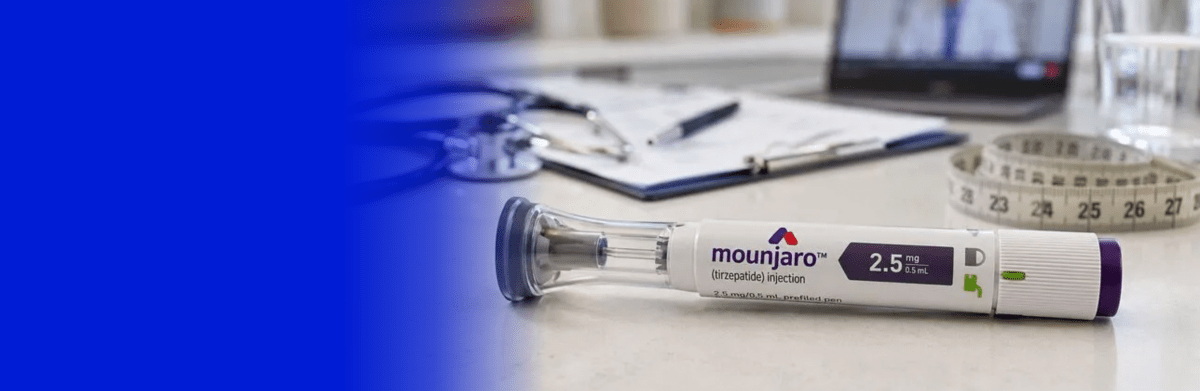
Prescription weight-management treatment may be appropriate for adults who meet specific criteria, typically a BMI of 30 or above, or 27 or above with a weight-related condition such as high blood pressure, type 2 diabetes or sleep apnoea. Whether it suits you depends on your full medical history, current medicines and goals, which is exactly why it requires a proper clinical assessment rather than a self-diagnosis.
At Rightangled, every case is reviewed by a UK-registered clinician, dispensing is through our own pharmacy, and support continues throughout treatment rather than stopping at delivery. You can check your eligibility to find out whether treatment is suitable for you.
When to speak to a clinician
Worth raising with a doctor if:
- Weight is proving difficult to manage despite genuine changes to diet and activity
- Joint pain is limiting what you can do
- Sleep problems are persistent
- Mood, anxiety or low mood are affecting daily life
- You want to understand whether menopause symptoms are driving the weight change
One point that applies regardless of weight: any vaginal bleeding after 12 months without a period should always be checked promptly.
Frequently asked questions
Does menopause cause weight gain?
It contributes significantly. Around half of women gain weight through the transition, averaging up to 10kg, driven by muscle loss, hormonal changes to fat storage, disrupted sleep and reduced activity.
Why is it all around my middle?
Falling oestrogen redirects fat storage from hips and thighs to the abdomen. Postmenopausal belly fat makes up 15 to 20% of total body weight, against 5 to 8% before.
Can I lose weight during menopause?
Yes. It typically takes a different approach than before: more protein, resistance training, and addressing sleep and pain rather than simply eating less.
Does HRT cause weight gain?
Evidence linking HRT to weight gain is limited, though some women notice mild fluid retention. Discuss it with your prescriber.
Is medical treatment an option?
It may be, for adults meeting the clinical criteria. A proper assessment determines whether it is appropriate for you.
In summary
Menopause weight gain is common, physiologically driven, and genuinely harder to reverse than weight gained earlier in life. It concentrates around the middle, where it carries more health risk, and it is sustained by four interacting changes rather than one. This year’s World Menopause Day theme makes one of those connections explicit: pain that limits movement is part of the weight story, not separate from it. The approaches that work are protein, resistance training, sleep, and treating the symptoms standing in the way, with medical weight management available where it is clinically appropriate.
Medical information: this article is for information only and does not replace diagnosis, prescription or medical advice. Treatment is subject to consultation, eligibility and clinical approval. Individual results vary.
References:
NICE, National Institute for Health and Care Excellence: https://www.nice.org.uk
MHRA, Medicines and Healthcare products Regulatory Agency: https://www.gov.uk/government/organisations/medicines-and-healthcare-products-regulatory-agency
British Menopause Society: https://thebms.org.uk
Office for Health Improvement and Disparities: https://www.gov.uk/government/organisations/office-for-health-improvement-and-disparities
International Menopause Society, World Menopause Day 2026: https://www.imsociety.org
World Health Organization, Menopause: https://www.who.int/news-room/fact-sheets/detail/menopause