


Mucha gente no necesita más consejos para perder peso. Necesitan un plan que tenga sentido médico, que se adapte a la vida real y que no dependa de conjeturas. Ahí es donde la gestión del peso dirigida por médicos se diferencia. Aporta el juicio clínico a un proceso que a menudo está lleno de modas, mensajes contradictorios y soluciones a corto plazo.
Para muchos adultos en el Reino Unido, perder peso no se trata simplemente de fuerza de voluntad o de encontrar el plan de comidas adecuado. El peso puede estar influenciado por las hormonas, el sueño, el estrés, la medicación, la salud mental, la movilidad, los antecedentes familiares y las largas horas de trabajo. Si ha intentado hacer todo bien y aún así ha tenido dificultades, eso no significa que haya fallado. Puede significar que su enfoque no se ha adaptado adecuadamente a sus necesidades de salud.
¿Qué significa realmente la gestión del peso dirigida por un médico?
La gestión del peso dirigida por un médico es un enfoque médicamente supervisado para la pérdida de peso. En lugar de elegir un tratamiento basado en publicidad o redes sociales, usted es evaluado por un médico calificado que examina su historial médico, su salud actual, sus objetivos relacionados con el peso y si el tratamiento es apropiado.
Esa evaluación es importante porque la pérdida de peso segura rara vez es una solución única. Dos personas pueden tener el mismo IMC, pero riesgos, historiales de medicación y razones para aumentar de peso muy diferentes. Una puede necesitar ayuda con el control del apetito. Otra puede necesitar apoyo después de años de ciclos de peso. Otra persona puede tener una condición subyacente que necesita atención antes de considerar cualquier prescripción.
Un modelo dirigido por médicos está diseñado para filtrar las opciones inadecuadas desde el principio. Eso reduce la posibilidad de utilizar tratamientos que entran en conflicto con los medicamentos existentes, empeoran los efectos secundarios o pasan por alto un problema de salud mayor.
Por qué la supervisión médica cambia el resultado
La mayor diferencia no es solo el acceso al tratamiento con receta. Es la calidad de la toma de decisiones al respecto.
Cuando la gestión del peso está dirigida por un médico, el enfoque pasa de perseguir resultados rápidos a construir un plan de tratamiento que sea seguro, proporcionado y realista. Esto puede incluir medicamentos cuando sea clínicamente apropiado, pero también incluye el cribado, el seguimiento y el ajuste del plan a lo largo del tiempo.
Esto es especialmente importante para personas con presión arterial alta, riesgo de diabetes, síndrome de ovario poliquístico, apnea obstructiva del sueño o antecedentes de trastornos alimentarios. En estas situaciones, el apoyo para la pérdida de peso no debe improvisarse. Debe gestionarse con una visión clara tanto del beneficio como del riesgo.
También hay una ventaja práctica. Las personas a menudo suspenden el tratamiento demasiado pronto, usan la medicación incorrectamente o esperan resultados en un plazo que no es médicamente realista. Un médico puede establecer expectativas desde el principio. Esto facilita la constancia y evita el patrón de interrupción y reinicio que frustra a muchas personas.
Gestión del peso dirigida por médicos y tratamiento con receta
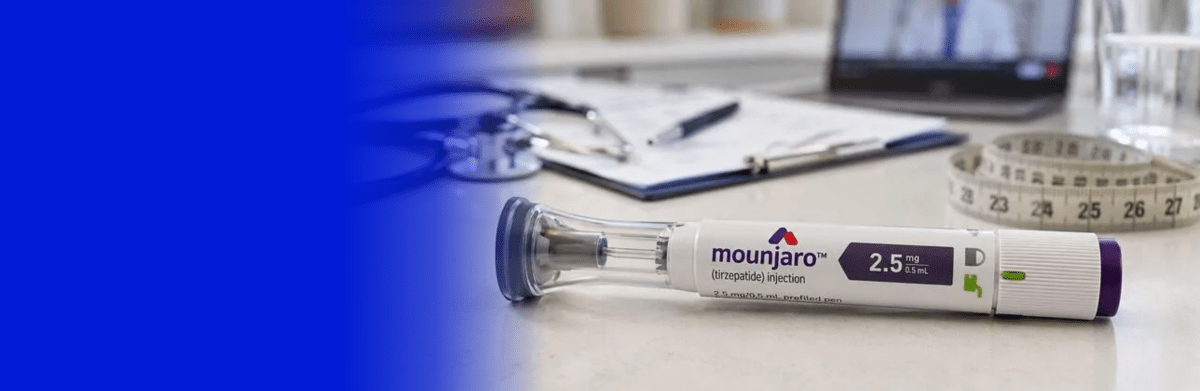
La medicación para la pérdida de peso con receta ha cambiado la conversación sobre el tratamiento de la obesidad, pero no es un atajo y no es adecuada para todos. Bien utilizada, puede ayudar a regular el apetito, reducir los antojos y ayudar a los pacientes a mantener un déficit calórico con menos esfuerzo diario. Mal utilizada, puede provocar decepción, efectos secundarios evitables o un uso inseguro.
Por eso la gestión del peso dirigida por médicos es tan importante en el mercado actual. Una revisión clínica adecuada ayuda a decidir si la medicación es apropiada, qué opción se ajusta mejor y cómo debe utilizarse junto con cambios más amplios en el estilo de vida.
En algunos casos, la medicación puede descartarse debido al embarazo, otras prescripciones, ciertas afecciones médicas o un perfil de IMC inadecuado. En otros, puede ser una opción sólida, especialmente cuando el exceso de peso está afectando los marcadores de salud o la calidad de vida.
El punto clave es que el tratamiento debe seguir a la evaluación, y no al revés.
El papel de la atención en línea en el apoyo moderno para la pérdida de peso
Muchas personas desean apoyo clínico, pero no quieren la fricción de reservar citas presenciales, esperar semanas o discutir un tema delicado cara a cara si prefieren mantenerlo en privado. Esa es una de las razones por las que la atención médica digital se ha convertido en una vía práctica para el tratamiento.
Un servicio en línea regulado puede hacer que la gestión del peso dirigida por un médico sea más accesible sin eliminar los estándares clínicos. Puede completar una evaluación desde casa, compartir información de salud relevante, recibir una revisión médica y, si es apropiado, acceder al tratamiento con un seguimiento continuo. Para profesionales ocupados, padres y cualquier persona que gestione un horario apretado, esa comodidad no es un lujo. Puede ser la diferencia entre tomar medidas y posponerlas de nuevo.
Dicho esto, la comodidad solo funciona si la gobernanza clínica se mantiene sólida. El servicio debe ser claro sobre la elegibilidad, estar regulado adecuadamente y estructurado en torno a la seguridad del paciente en lugar de solo la velocidad. El acceso rápido es útil. El acceso rápido sin los controles adecuados no lo es.
¿Qué debe incluir un buen plan de tratamiento?
Un plan creíble de control de peso debe sentirse adaptado, no genérico. Debe explicar por qué se ha recomendado un tratamiento, qué resultados son realistas, qué efectos secundarios pueden ocurrir y cuándo es necesaria una revisión.
En la práctica, esto a menudo significa comenzar con sus antecedentes de salud en lugar de su talla de ropa objetivo. Un médico puede preguntar sobre su peso actual, intentos previos de perder peso, patrones alimenticios, niveles de ejercicio, sueño, consumo de alcohol y cualquier síntoma que sugiera un problema más amplio. También deben revisar los medicamentos existentes y si estos podrían afectar el apetito, el metabolismo o la seguridad.
Si se prescribe medicación, el plan no debe terminar ahí. Debe saber cómo tomarla, qué hacer si aparecen efectos secundarios, cómo se medirá el progreso y cuándo pueden ser necesarios cambios. Algunas personas responden rápidamente. Otras necesitan más tiempo o un enfoque revisado. Una buena atención deja espacio para ambos.
¿Qué resultados puede esperar de forma realista?
Aquí es donde importa la orientación médica honesta. La pérdida de peso sostenible rara vez es drástica de semana en semana, incluso cuando el tratamiento funciona. Algunos pacientes pierden peso de forma constante desde el principio. Otros notan cambios en el apetito, los antojos o el control de las porciones antes de que la báscula se mueva de manera significativa.
También hay compensaciones. Una pérdida de peso más rápida a veces puede aumentar la probabilidad de efectos secundarios, mala adherencia o hábitos de rebote si el plan es demasiado restrictivo. Un progreso más lento puede resultar frustrante, pero a menudo es más fácil de mantener. El ritmo adecuado depende de su punto de partida, su tratamiento y su perfil de salud.
Un enfoque dirigido por un médico debería ayudarle a centrarse en algo más que un solo número. Las mejoras en la medida de la cintura, la presión arterial, los niveles de energía, la movilidad o el comportamiento alimentario pueden ser importantes, especialmente al principio.
¿Quién puede beneficiarse más de la gestión del peso dirigida por un médico?
Este modelo puede ayudar a cualquier persona que desee una vía más segura y estructurada para perder peso, pero es particularmente útil si se ha quedado atascado en un ciclo de intentos y abandonos. También tiene sentido si su peso está afectando su confianza, rutina o salud a largo plazo y desea algo más que consejos generales.
Para algunas personas, el principal beneficio es el acceso a un tratamiento con receta apropiado. Para otras, es la tranquilidad. Saber que un médico ha revisado su información y ha confirmado que su plan es médicamente adecuado puede eliminar mucha incertidumbre.
También puede ser útil si valora la privacidad y la eficiencia. Una vía digital con prescripción regulada y entrega a domicilio ofrece una opción más discreta que las rutas tradicionales, sin dejar de mantener la supervisión médica. Para los pacientes que desean una atención de confianza sin retrasos innecesarios, ese equilibrio es convincente.
Elegir un proveedor para la gestión del peso dirigida por un médico
No todos los servicios que ofrecen apoyo para la pérdida de peso se construyen con el mismo estándar. Antes de comenzar, busque señales de una supervisión clínica real en lugar de un marketing pulido. Esto incluye controles de elegibilidad transparentes, prescripción regulada, procesos de seguimiento claros e información precisa sobre riesgos y beneficios.
También debe desconfiar de cualquier proveedor que haga que el tratamiento parezca sin esfuerzo. El apoyo para la pérdida de peso puede ser efectivo, pero aún requiere constancia, información de salud honesta y voluntad de participar en el proceso. Los mejores servicios no prometen la perfección. Hacen que el siguiente paso sea más claro y seguro.
Rightangled refleja este cambio en la prestación de atención médica: combina la prescripción en línea regulada con evaluaciones dirigidas por médicos, acceso práctico al tratamiento y entrega discreta para pacientes que desean un apoyo que se adapte a la vida diaria.
El valor real de un enfoque dirigido por un médico
El atractivo de la gestión del peso dirigida por médicos no es que haga que la pérdida de peso sea fácil. Es que reduce los errores evitables. Ayuda a separar el tratamiento útil del ruido, alinea la atención con su perfil médico y le ofrece una ruta más clara cuando los intentos autodirigidos no han funcionado.
Si está considerando un tratamiento, el lugar más sensato para empezar no es con la afirmación más audaz o la promesa más rápida. Es con una evaluación adecuada. Cuando el apoyo para la pérdida de peso se basa en el juicio clínico, es mucho más probable que termine con un plan en el que pueda confiar, y uno que tenga una posibilidad realista de mantener.


Compartir:
Inyecciones para adelgazar en línea en el Reino Unido
¿El proveedor de pérdida de peso más barato en el Reino Unido?