


Para muchas personas, los consejos dietéticos por sí solos no han proporcionado los resultados duraderos que necesitan. El tratamiento de la obesidad aprobado por médicos ofrece una ruta más clínica: un prescriptor cualificado evalúa si el tratamiento es apropiado para usted, considera su historial médico y, cuando es adecuado, prescribe medicamentos junto con un apoyo realista al estilo de vida.
No se trata de encontrar una solución rápida o de ser juzgado por su peso. La obesidad es una enfermedad compleja y crónica influenciada por la regulación del apetito, el sueño, el estrés, las hormonas, la medicación, el entorno y mucho más. Una atención eficaz debe reflejar esa complejidad sin dejar de facilitar el acceso al tratamiento.
Qué implica realmente el tratamiento de la obesidad aprobado por médicos
La frase puede sonar sencilla, pero debe significar algo más que comprar un producto para perder peso en línea. Un tratamiento adecuado comienza con una evaluación médica realizada por un médico u otro prescriptor debidamente cualificado. Revisan su peso actual, altura, índice de masa corporal (IMC), objetivos de salud, afecciones médicas, medicamentos e intentos previos de pérdida de peso.
También considerarán si tiene riesgos para la salud relacionados con el peso, como presión arterial alta, diabetes tipo 2, apnea del sueño o colesterol alto. En muchos casos, estos factores son tan importantes como el número en la báscula.
Si el tratamiento con receta es adecuado, el prescriptor elige una opción basada en sus circunstancias individuales. Debe explicar cómo funciona, qué resultados pueden ser realistas, cómo se usa, los posibles efectos secundarios y cuándo debe buscar asesoramiento médico. El tratamiento también debe incluir un plan de seguimiento, en lugar de una receta sin más apoyo clínico.
¿Quién puede ser elegible para el tratamiento?
La elegibilidad depende del medicamento, de su IMC y de su perfil de salud general. Los medicamentos recetados para la pérdida de peso se consideran comúnmente para adultos con obesidad, o para personas con sobrepeso que tienen una afección médica relacionada. Los criterios exactos pueden variar entre los tratamientos y pueden cambiar a medida que se desarrolla la guía clínica.
Un médico puede decidir que un medicamento no es apropiado si está embarazada, amamantando, planeando un embarazo, tiene ciertas afecciones digestivas, un historial de cánceres endocrinos particulares o está tomando medicamentos que podrían interactuar con el tratamiento. Por eso es importante una consulta honesta.
No subestime los síntomas ni omita medicamentos porque parezcan no relacionados. Mencione los medicamentos recetados, los productos de venta libre, los suplementos y las inyecciones o tabletas para perder peso anteriores. Una decisión segura se basa en el panorama completo.
El IMC es un punto de partida, no la historia completa
El IMC es una medida de detección útil, pero no abarca todo lo relacionado con la salud. La etnia, la medida de la cintura, la masa muscular, la presión arterial, el azúcar en la sangre y el bienestar diario pueden ser relevantes. Una evaluación dirigida por un médico utiliza el IMC como parte de una decisión más amplia, no como una etiqueta o un veredicto.
Medicamentos recetados y cómo pueden ayudar
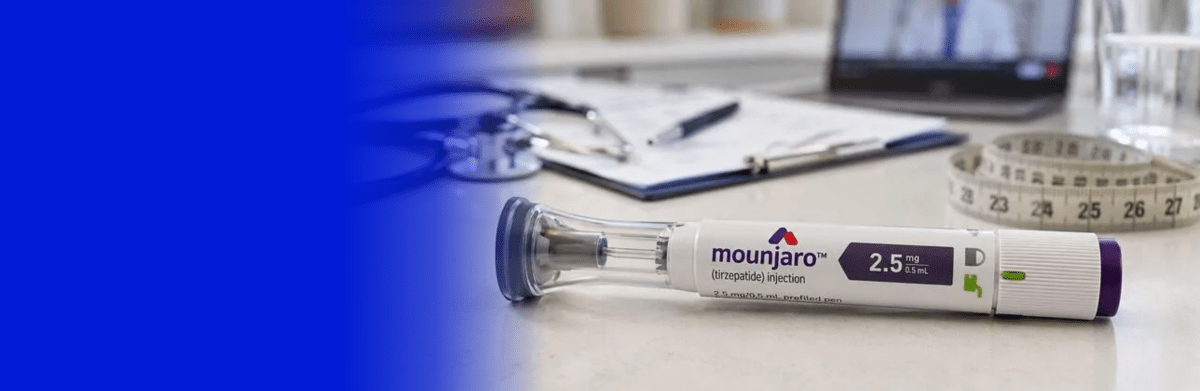
Algunos medicamentos modernos para la obesidad actúan sobre las hormonas involucradas en el apetito y la saciedad. Los tratamientos basados en GLP-1 y los medicamentos que actúan sobre más de una vía de regulación del apetito pueden ayudar a los pacientes elegibles a sentirse más llenos durante más tiempo, reducir el "ruido alimentario" y facilitar la ingesta de porciones más pequeñas.
Para algunas personas, ese cambio puede ser significativo. Puede crear suficiente espacio para construir rutinas más sostenibles en torno a las comidas, el movimiento y el sueño. Sin embargo, la respuesta varía. Una persona puede notar una clara reducción del apetito, mientras que otra puede tener un progreso más lento o encontrar que los efectos secundarios limitan el tratamiento.
La medicación recetada no pretende sustituir por completo los alimentos, ni hace que la nutrición sea irrelevante. Todavía necesita suficiente proteína, fibra, líquidos y nutrientes esenciales. Los cambios rápidos en los hábitos alimenticios sin una nutrición adecuada pueden hacer que las personas se sientan cansadas, estreñidas o enfermas.
El medicamento más adecuado también depende de factores prácticos. Algunos tratamientos son inyecciones que se administran regularmente, mientras que otros son tabletas. El costo, la disponibilidad, la tolerabilidad, el horario de dosificación y sus objetivos de tratamiento pueden influir en la decisión. Su médico puede ayudarle a sopesar estas compensaciones en lugar de simplemente elegir la opción más comentada.
Cómo debe ser un tratamiento online seguro
El acceso conveniente nunca debe significar estándares clínicos más bajos. Un proveedor en línea regulado puede facilitar el acceso al tratamiento desde casa, pero aún debe hacer preguntas médicas significativas y usar esas respuestas para tomar una decisión clínica.
Busque un servicio que explique claramente quién prescribe, cómo se dispensan las recetas, qué seguimiento está disponible y cómo contactar con el equipo clínico. En el Reino Unido, las farmacias y los proveedores de atención médica en línea deben operar dentro de los estándares regulatorios pertinentes. Tenga cuidado con los sitios web que prometen medicamentos a todo el mundo, ofrecen exámenes médicos inusualmente vagos o hacen garantías dramáticas de pérdida de peso.
En Rightangled, el objetivo es combinar la evaluación dirigida por médicos con una entrega discreta del tratamiento, ayudando a los adultos elegibles a acceder a atención regulada sin retrasos innecesarios. La aprobación se basa en la idoneidad clínica, no en la presión para vender un producto.
Preguntas que vale la pena hacer antes de empezar
Antes de comenzar cualquier plan, pregunte con qué frecuencia se revisará su progreso y qué sucede si experimenta efectos secundarios. Pregunte si el proveedor puede ajustar su dosis cuando sea clínicamente apropiado, si se pondrán en contacto con su médico de cabecera cuando sea necesario y qué apoyo está disponible si el medicamento no es adecuado para usted.
También debe comprender el costo total del tratamiento, incluidas las recetas repetidas, las consultas y la entrega. Una fijación de precios transparente favorece mejores decisiones y le ayuda a planificar el tratamiento como un compromiso a largo plazo.
Efectos secundarios, seguridad y cuándo buscar ayuda
Como todos los medicamentos recetados, los tratamientos para la obesidad pueden causar efectos secundarios. Con las inyecciones que regulan el apetito, los efectos comunes pueden incluir náuseas, vómitos, diarrea, estreñimiento, molestias estomacales, indigestión y disminución del apetito. Estos pueden ser más notorios al iniciar el tratamiento o después de un aumento de dosis.
Comer comidas más pequeñas, evitar alimentos muy grasos, beber agua regularmente y seguir el horario de dosificación prescrito puede ayudar. Pero no intente soportar síntomas graves o persistentes sin consultar a un médico. Su médico puede recomendar mantener una dosis durante más tiempo, reducir una dosis, pausar el tratamiento o considerar una opción diferente.
Busque ayuda médica urgente si presenta dolor abdominal grave o continuo, especialmente si va acompañado de vómitos, o si presenta signos de una reacción alérgica grave como hinchazón de la cara o dificultad para respirar. Si tiene diabetes y usa insulina o ciertos medicamentos para bajar el azúcar en la sangre, es posible que necesite un control más estricto porque su plan de tratamiento puede afectar los niveles de azúcar en la sangre.
Una atención segura también significa reconocer que la medicación no es adecuada para todos los objetivos. Si busca tratamiento para una pequeña cantidad de pérdida de peso estética pero no cumple los criterios clínicos, un médico puede rechazarlo razonablemente. Eso es una señal de práctica responsable.
Construir resultados que duren más allá de la primera receta
El tratamiento para bajar de peso funciona mejor cuando apoya una rutina que puede mantener. No necesita una dieta extrema ni un plan de ejercicio agotador. Comience con cambios lo suficientemente específicos como para repetirlos: comidas regulares, una fuente de proteínas en el desayuno, más verduras o fibra donde pueda tolerarlas, una caminata diaria y una rutina de sueño constante.
Si el apetito es menor con la medicación, planifique las comidas en lugar de depender solo del hambre. Saltarse comidas todo el día puede dificultar el cumplimiento de las necesidades nutricionales y puede aumentar el riesgo de fatiga o pérdida muscular. El entrenamiento de resistencia, adaptado a su nivel de condición física, puede ser particularmente útil para proteger la fuerza mientras se pierde peso.
El progreso no siempre es lineal. El peso puede fluctuar debido a la hidratación, las hormonas, la digestión y la variación corporal normal. Una mejor medida es la tendencia general a lo largo de varias semanas, junto con mejoras prácticas como más energía, movimientos más fáciles o mejores lecturas de la presión arterial.
También vale la pena discutir qué sucede después de alcanzar su objetivo. Algunas personas continúan el tratamiento para el control del peso a largo plazo, mientras que otras pueden reducir o detenerlo bajo supervisión clínica. El apetito y el peso pueden regresar después de suspender la medicación, por lo que un plan de mantenimiento debe ser parte de la conversación desde el principio.
Dé el siguiente paso con claridad clínica
El tratamiento adecuado es el que es seguro para su salud, se adapta a su vida y le ofrece una ruta realista para un progreso sostenido. Comience con una evaluación médica exhaustiva, sea abierto sobre su historial y elija un proveedor que anteponga la supervisión clínica a las promesas. Un primer paso considerado puede hacer que su viaje de pérdida de peso se sienta más manejable, privado y correctamente respaldado.


Compartir:
Guía de pruebas de salud caseras para tomar decisiones más inteligentes
Inyecciones y pastillas para bajar de peso comparadas